
Publish on : 08/10/2026
Categories : Manufacturers and designers
 |
At a time when minimalism has become almost a given, Buccellati is a reminder that refinement can also be found in excess. It is a house that embraces elegance and extravagance in equal measure.
It all began in Milan in 1919, when Mario Buccellati opened his first boutique. Inspired by Renaissance goldsmithing and the beauty of antique jewels, he developed a style entirely his own, defined by intricate engraving and delicate textures. His talent soon gained recognition far beyond Italy, and his creations found their way into the collections of royal families and influential figures alike.
 |
 |
 |
The story continued with Mario’s sons. Gianmaria Buccellati, in particular, took the house onto the international stage and further developed the craftsmanship for which it became renowned. Today, Buccellati remains a family affair: the fourth generation continues to safeguard this heritage while carrying its spirit of excellence and innovation into the future.
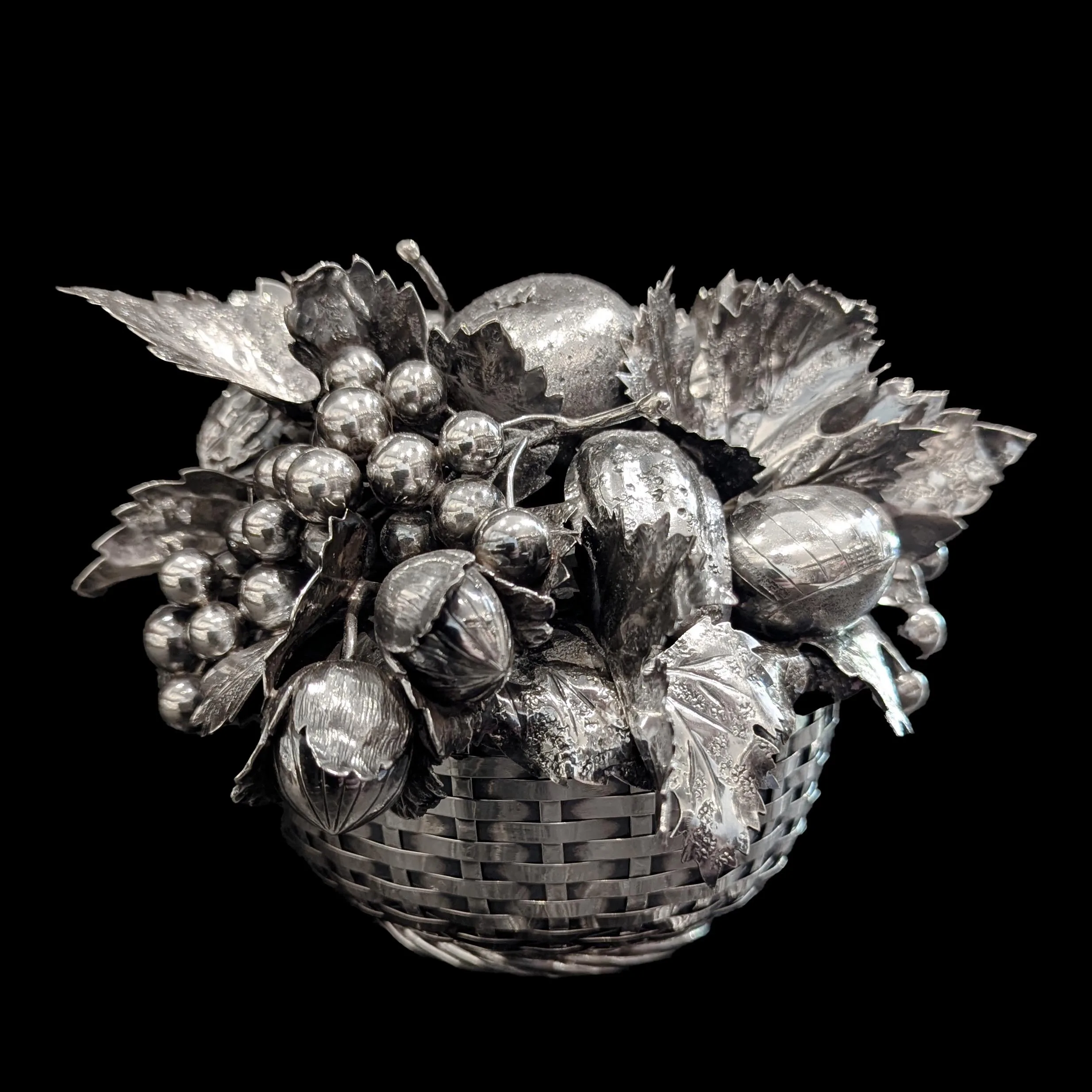
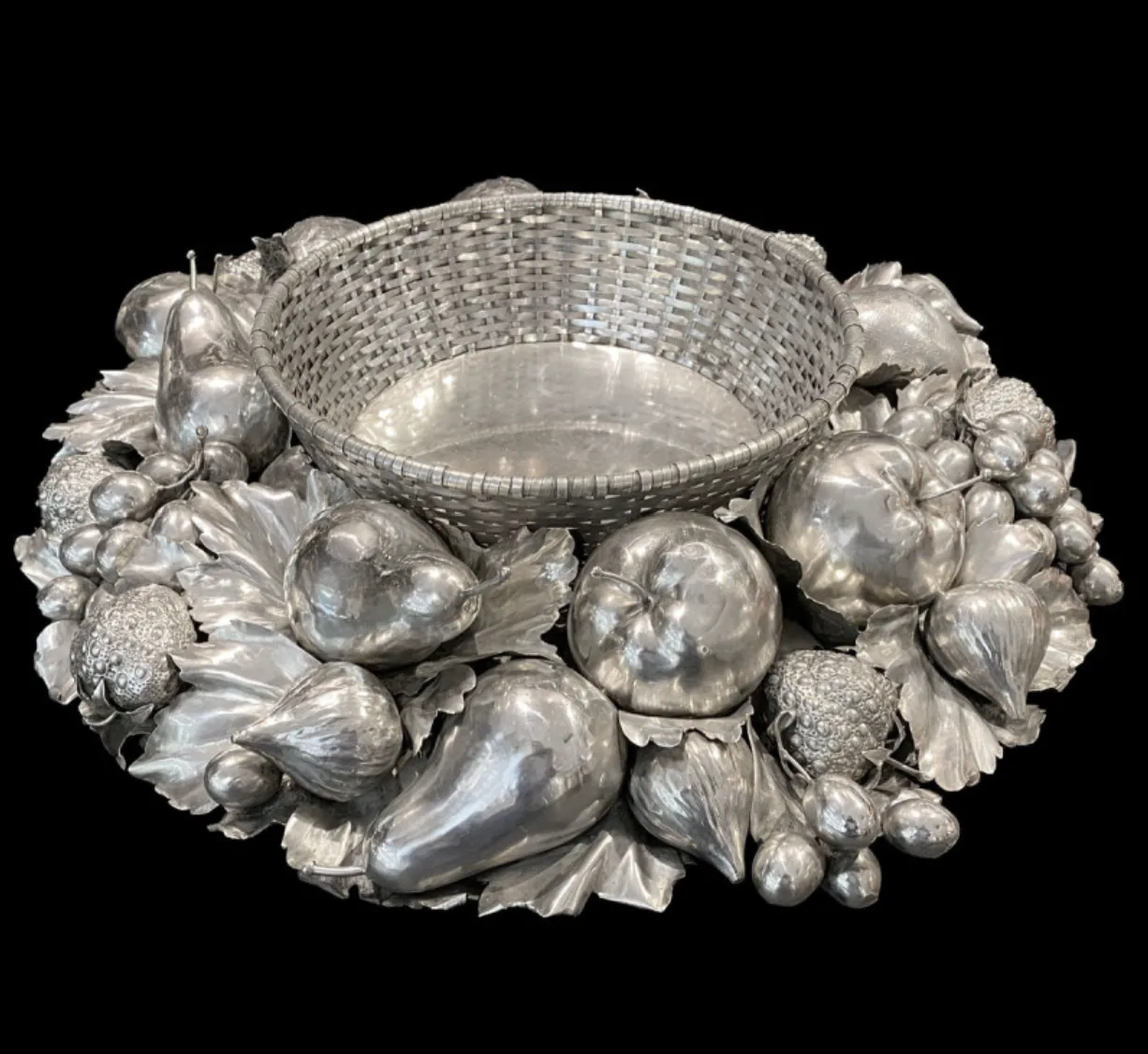
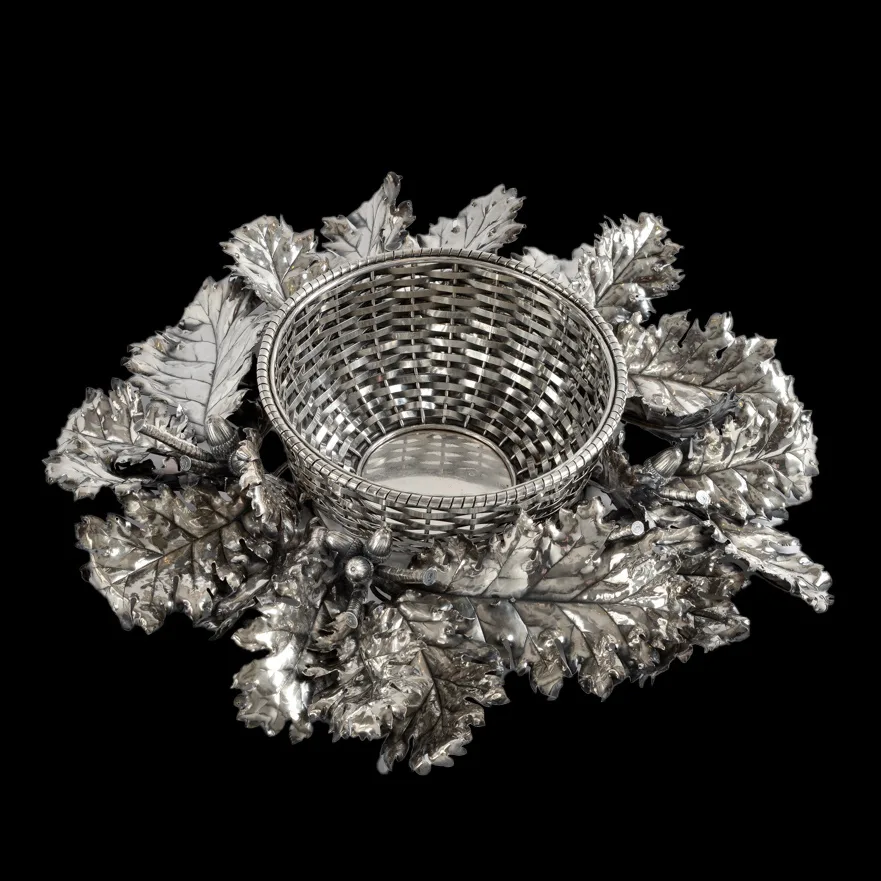
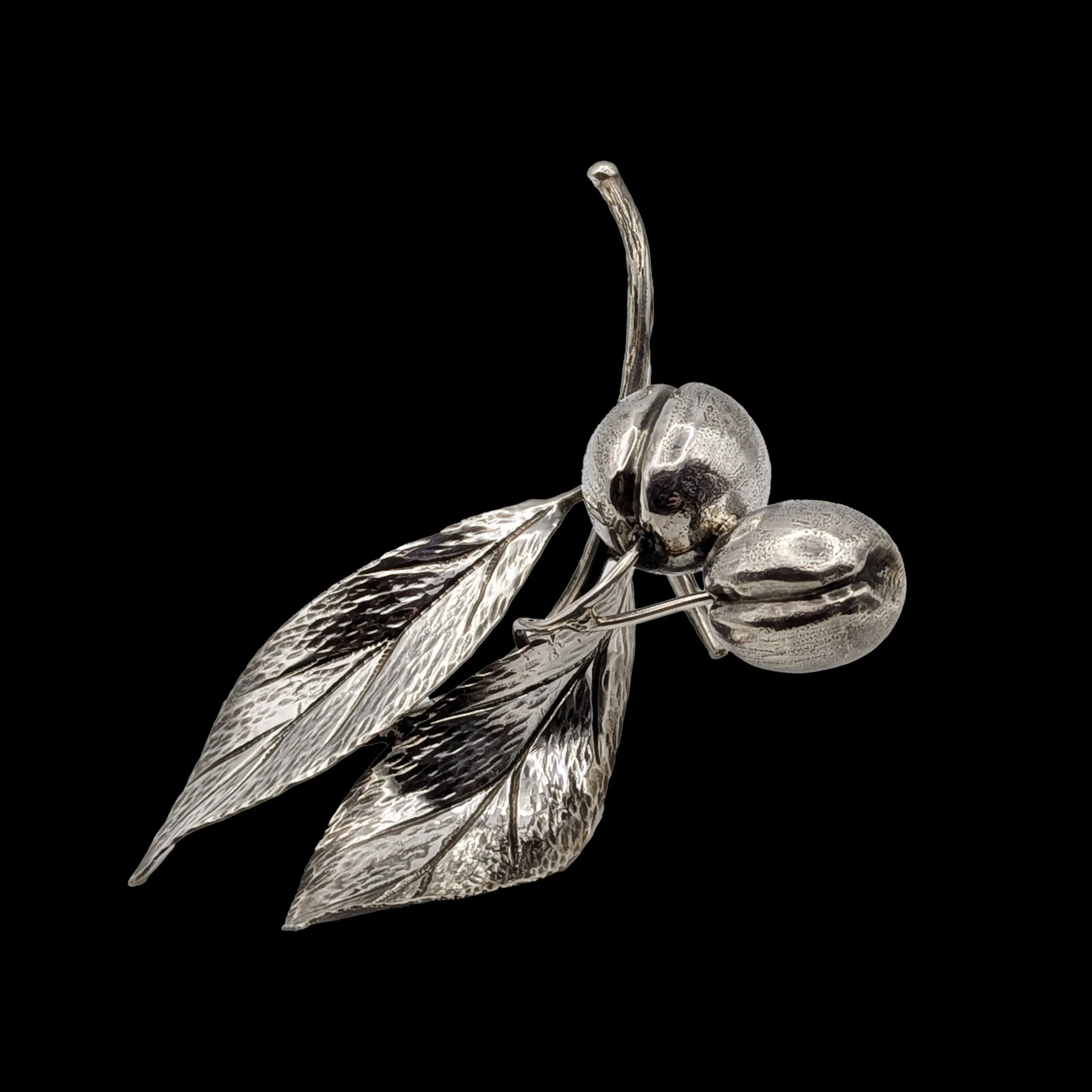
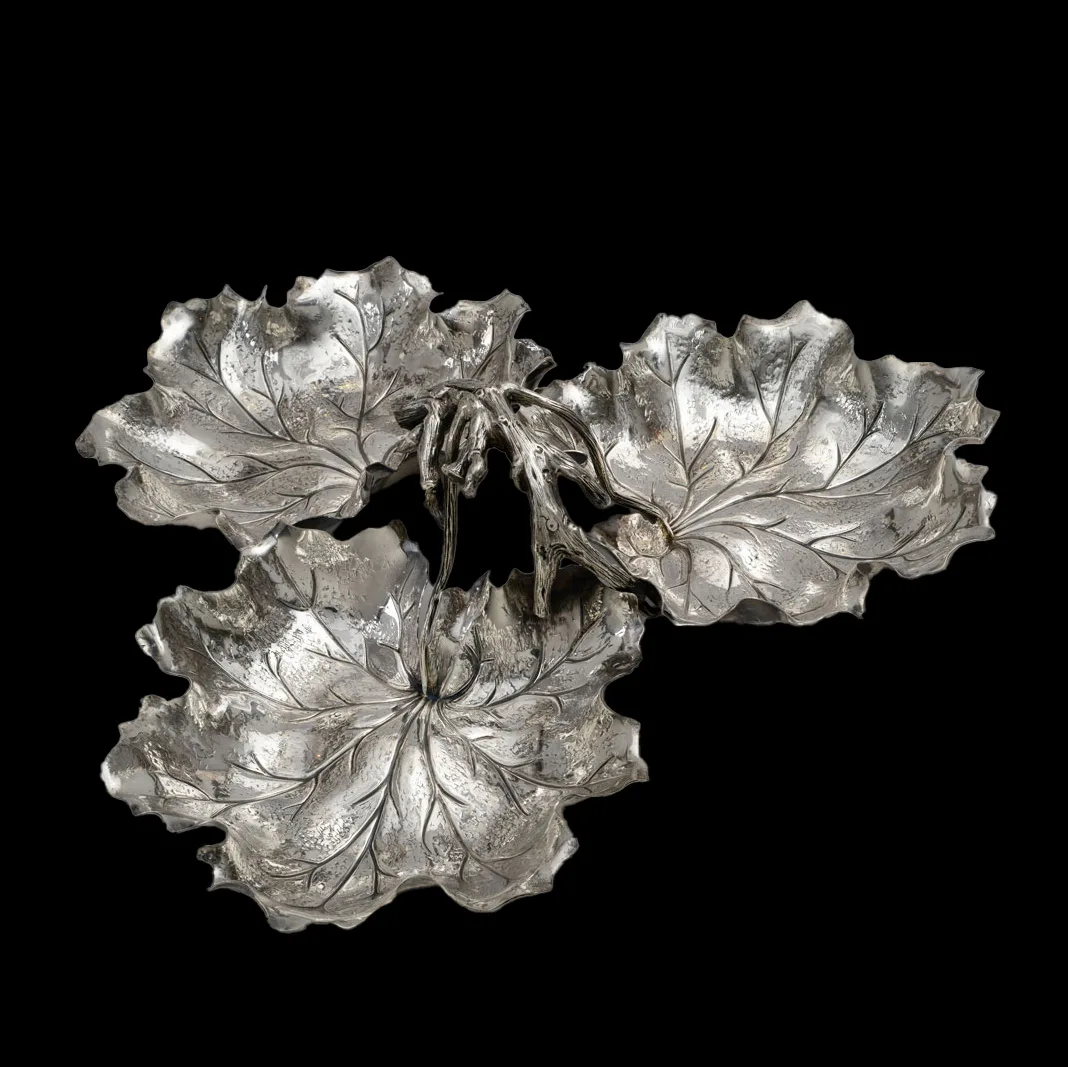
At Buccellati, precious metal is never left plain. It is covered in foliage, intricate engraving and sculpted relief; pierced, woven and shaped with extraordinary precision. This distinctly Baroque profusion celebrates the richness of the material and the sheer pleasure of ornament. It is the result of a centuries-old artisanal tradition, passed down from one generation of craftsmen to the next, preserving techniques rooted in the Renaissance.
 |
 |
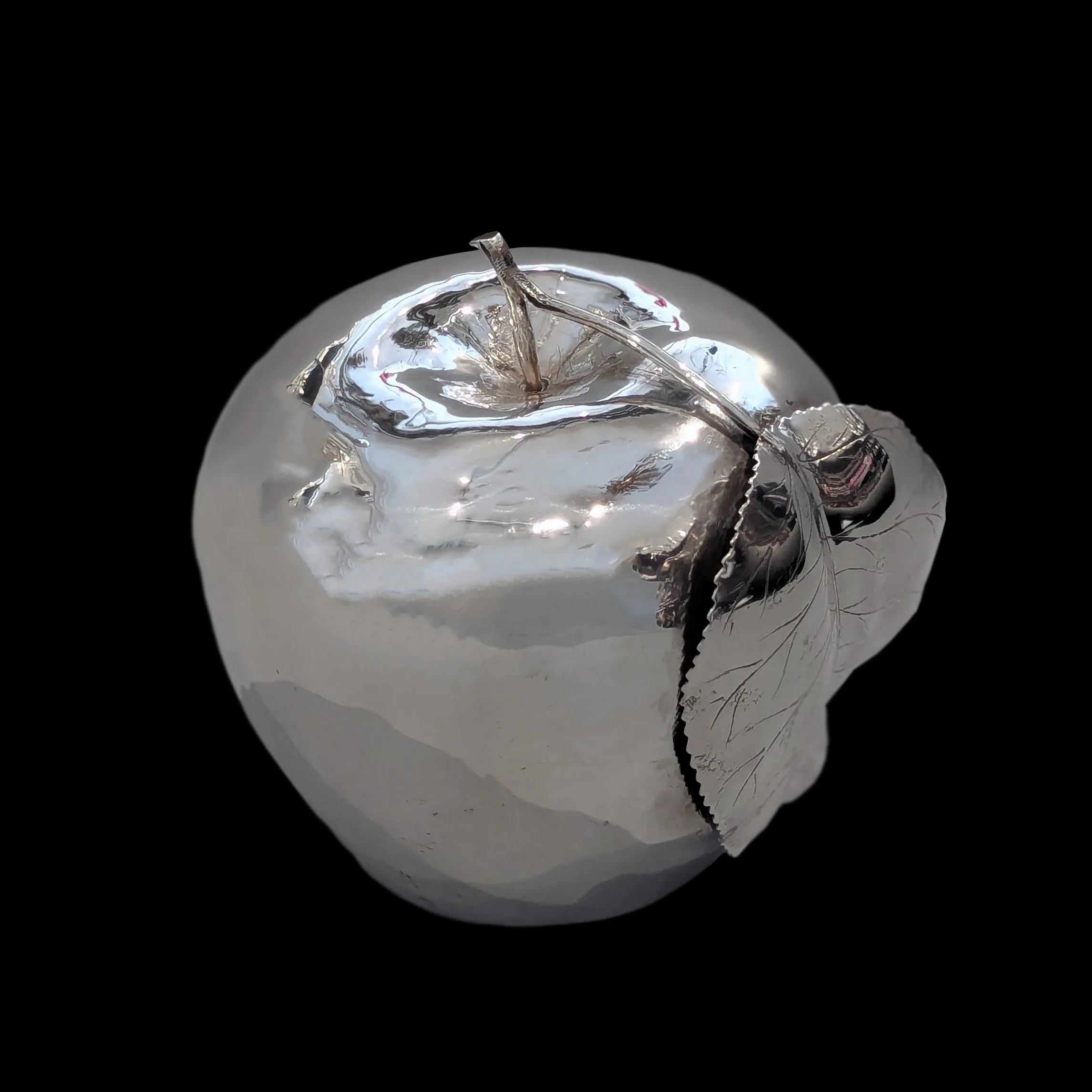 |
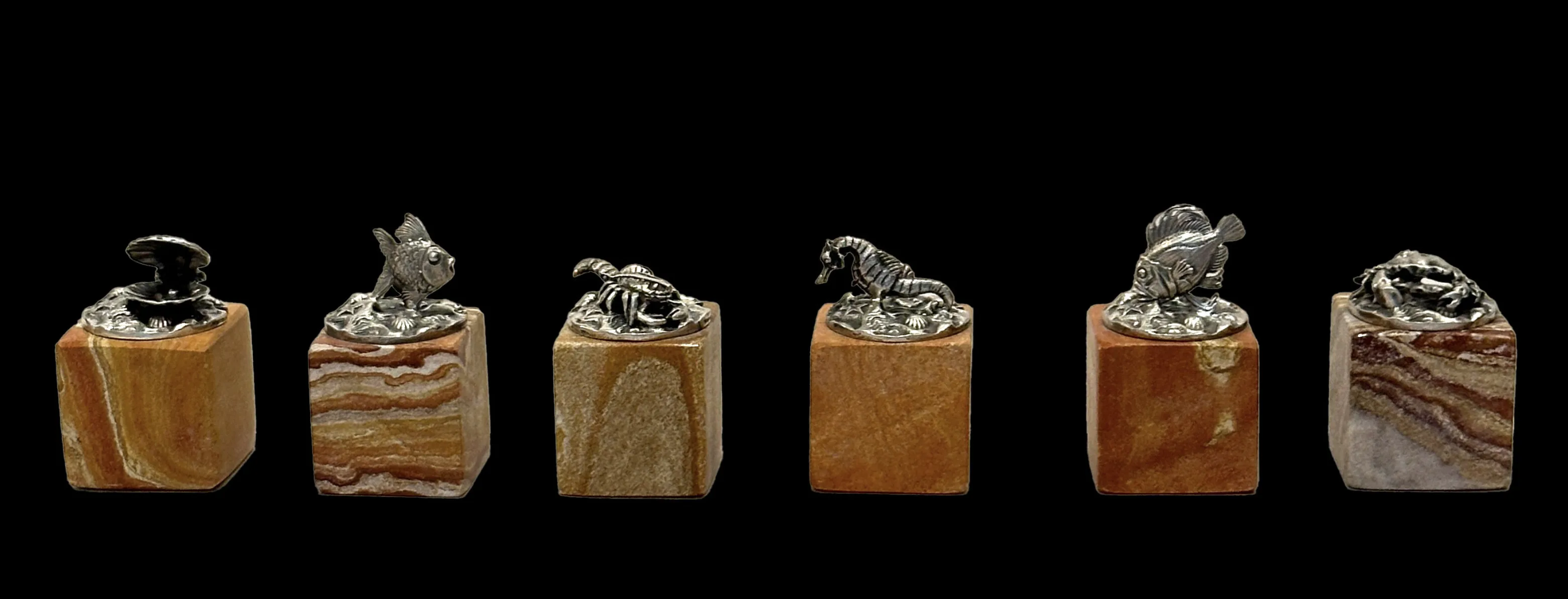
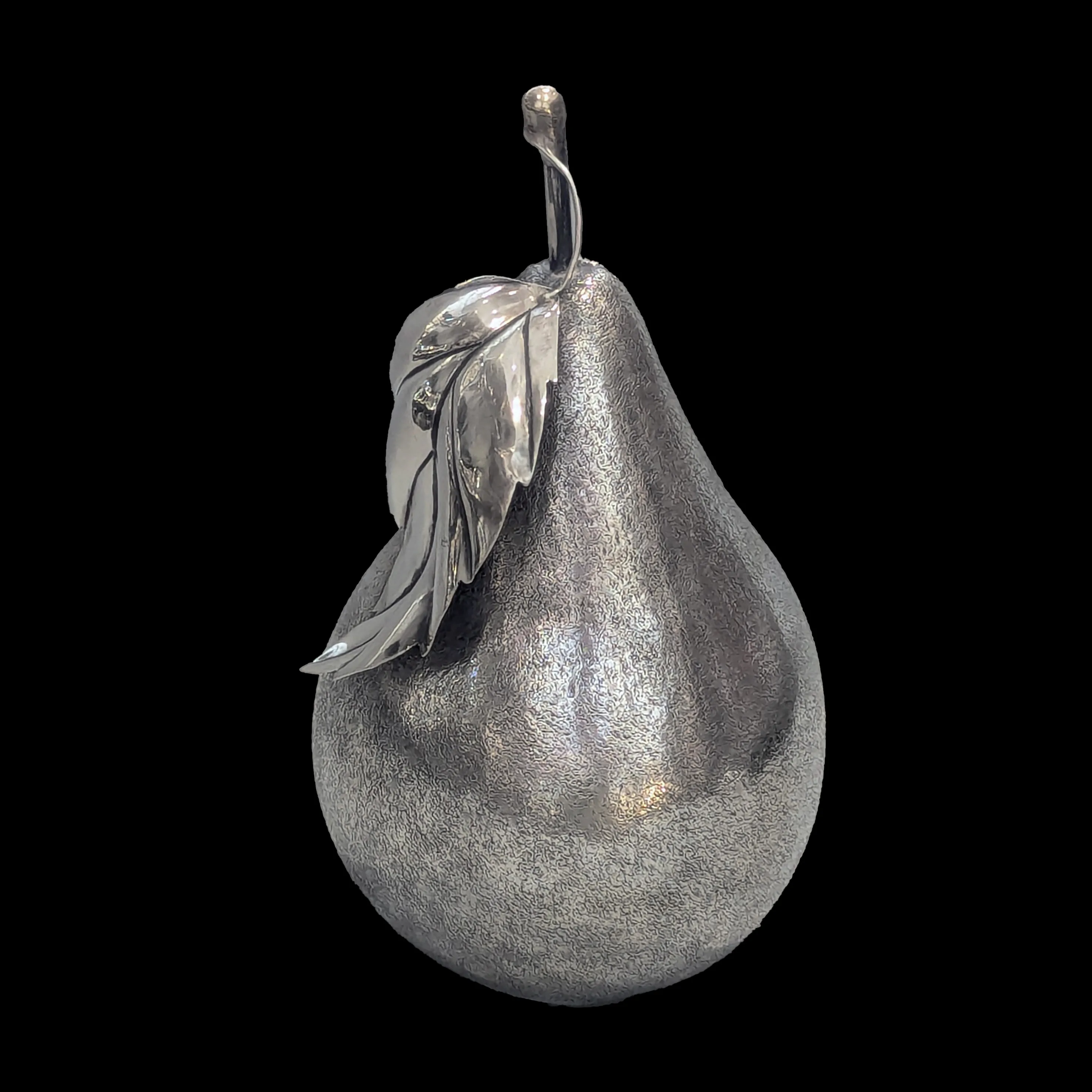
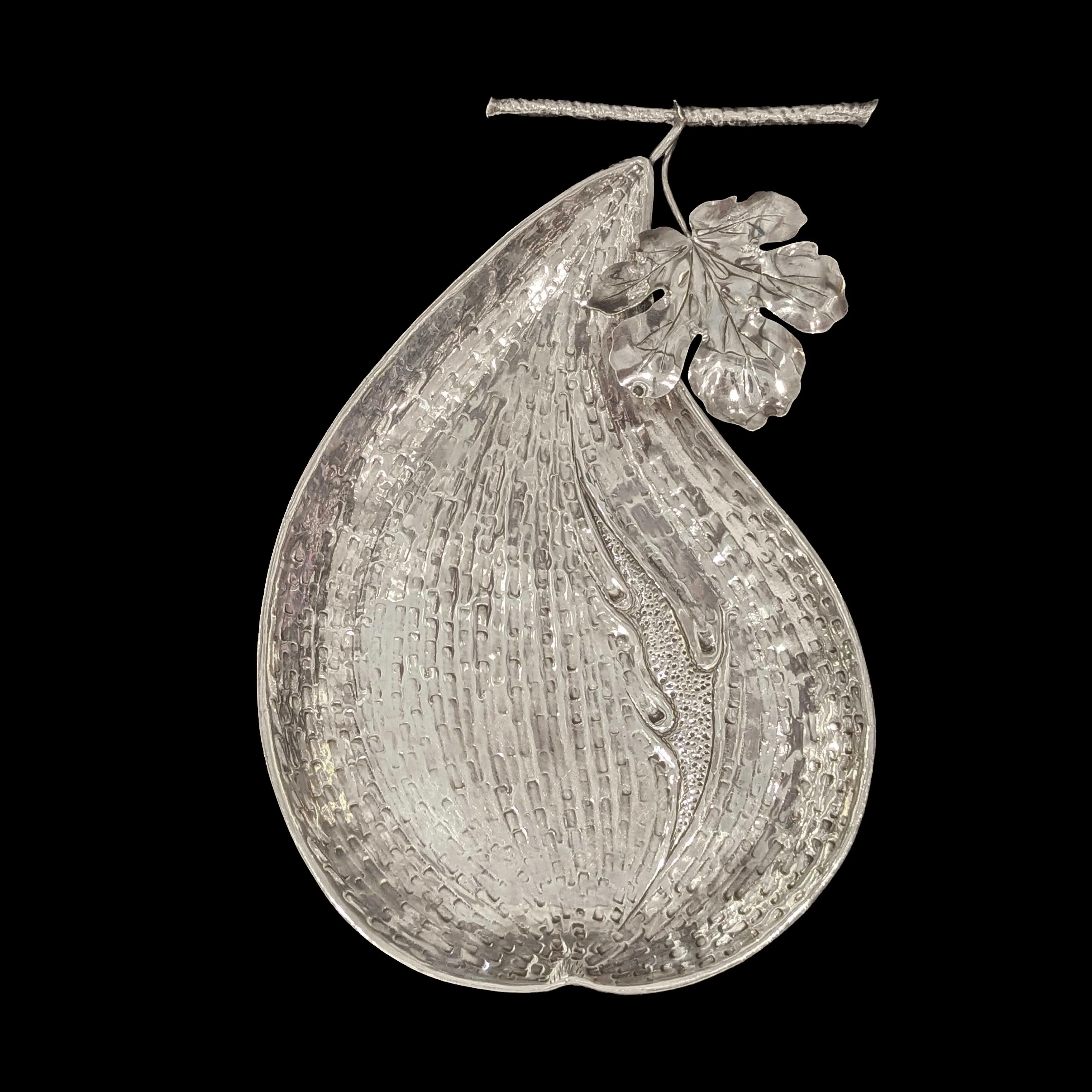
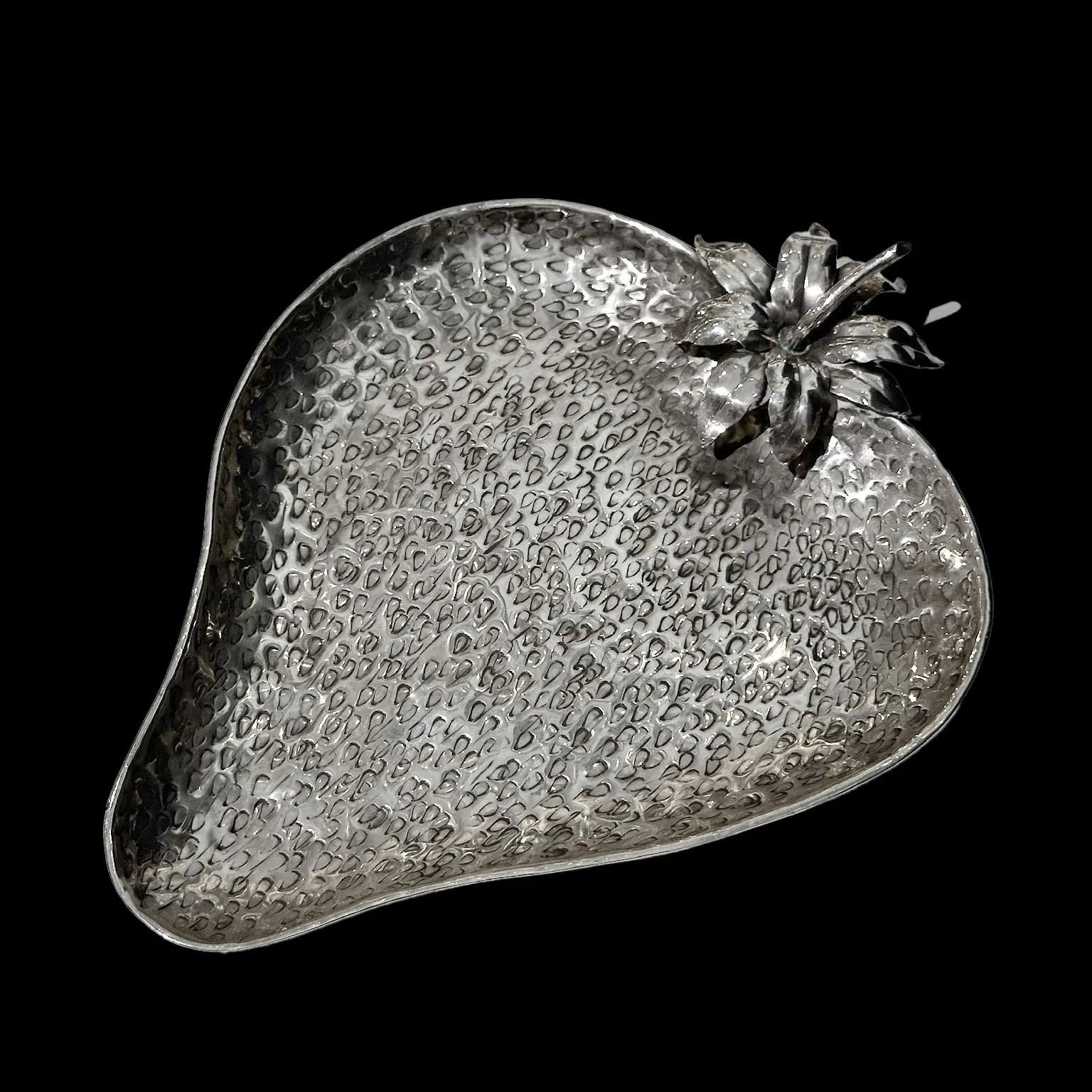
While the house is renowned for its jewellery, silverware is equally central to its identity. Trays, baskets, bowls, candlesticks, silver fruit and animals, and serving pieces evoke the grandeur of ceremonial dining and turn even the simplest meal into a spectacle. Where minimalism strips away, Buccellati embellishes.
To choose a Buccellati piece is to turn away from austerity in favour of a sumptuous way of life, where every object has a story to tell. It is an affirmation that elegance need not shy away from excess.
 |
 |
 |