
Publish on : 09/09/2026
Categories : Manufacturers and designers
A Major Centre of French Fine Earthenware
Founded in 1804 in Choisy-le-Roi, near Paris, the manufactory benefited from an advantageous location on the banks of the Seine. This made it easier to source raw materials and distribute its wares to the capital and across France. After passing through the hands of several successive owners, the manufactory underwent particularly significant expansion following its acquisition by the Hautin and Boulenger families in the mid-nineteenth century. It subsequently became one of France’s leading centres for the production of fine earthenware.
The manufactory took an active part in major national and international exhibitions, where it showcased work that demonstrated the technical expertise and industrial know-how of French manufacturers. It also supplied high-quality pieces to prestigious Parisian luxury retailers, including the Escalier de Cristal. The manufactory finally closed its workshops in 1936.
Making Good Taste Accessible
Choisy-le-Roi played an important role in the democratisation of taste, bringing objects inspired by the major decorative trends of the nineteenth century within reach of a much broader public. It achieved this by combining artistic quality and technical innovation with large-scale production.
Initially influenced by English models, particularly those produced in Staffordshire, the manufactory made tableware, decorative objects, tiles, sanitary ware, and a wide range of goods for the everyday life of France’s growing middle class. Choisy-le-Roi was also responsible for producing the tiles that still line the corridors of the Paris Métro today, following an official commission.
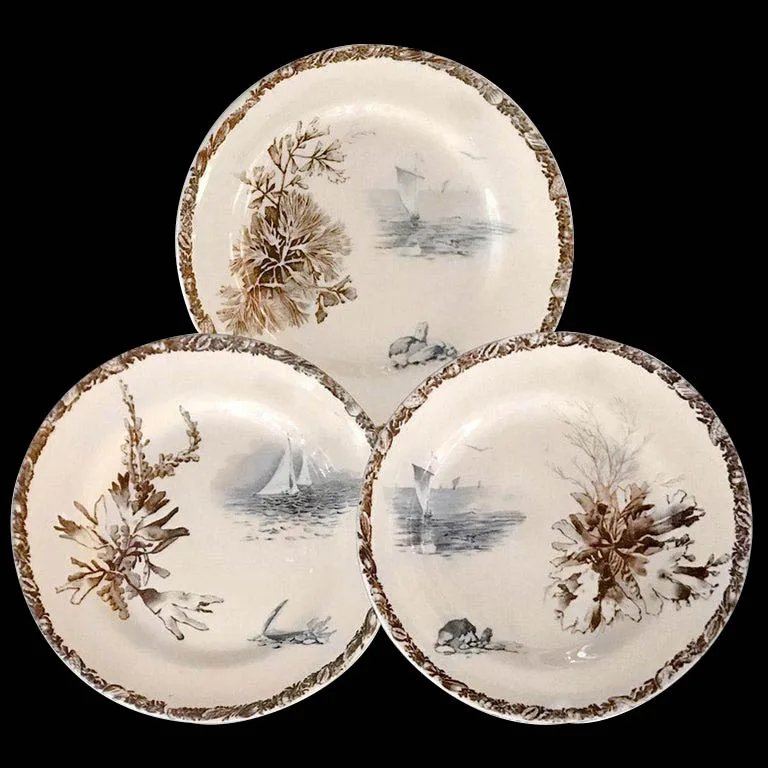
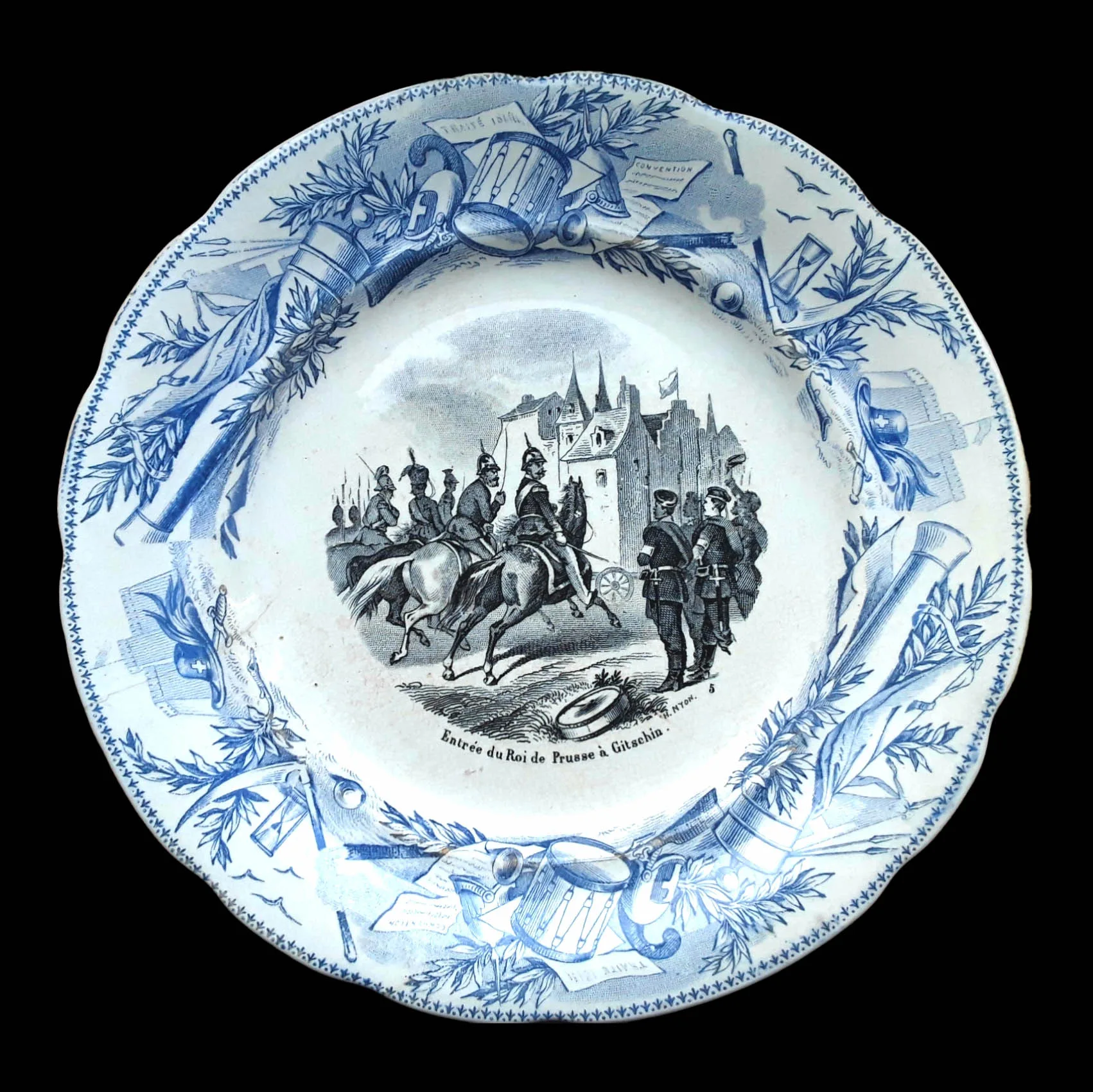
The manufactory became especially renowned for the richness and variety of its printed decoration. Transfer-printing techniques made it possible to reproduce historical, Orientalist, floral, political, and picturesque motifs with considerable precision. Such designs helped bring the world of the decorative arts to a much wider audience.
 |
 |
 |
A Luxury Production
Alongside this extensive production, the manufactory also developed a more exclusive range aimed at the luxury market. These rarer pieces were entrusted to its most skilled craftsmen and required considerably more time to produce.
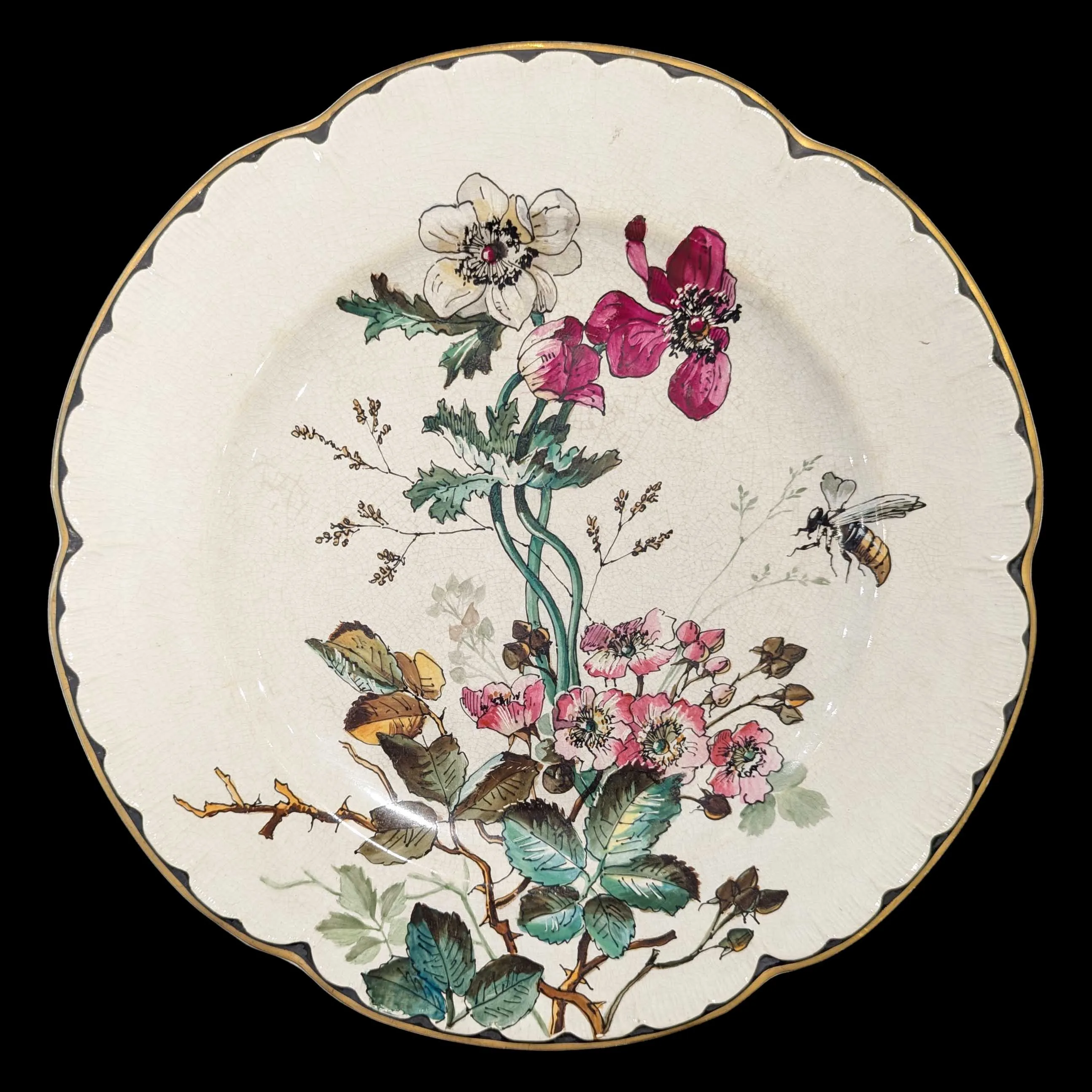
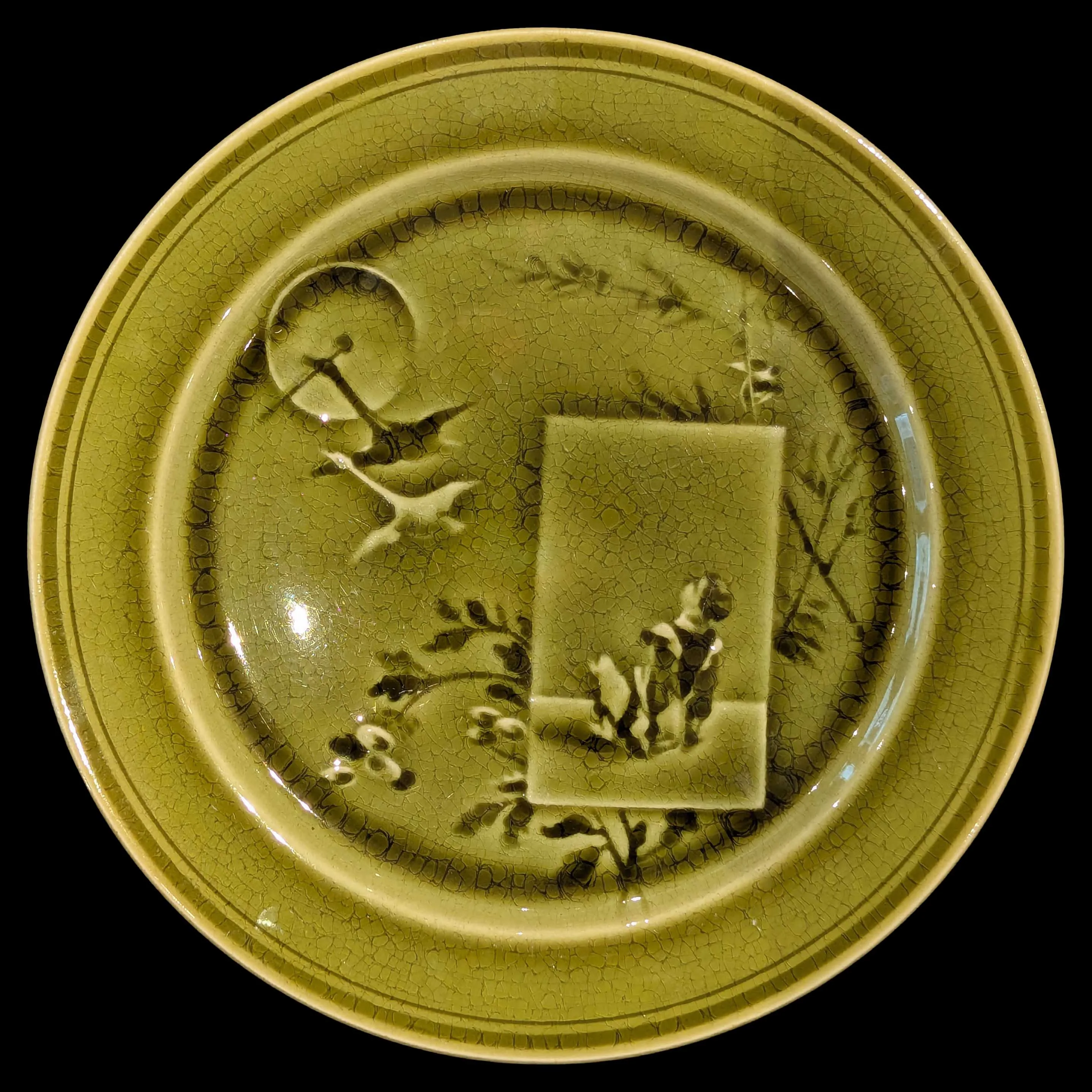
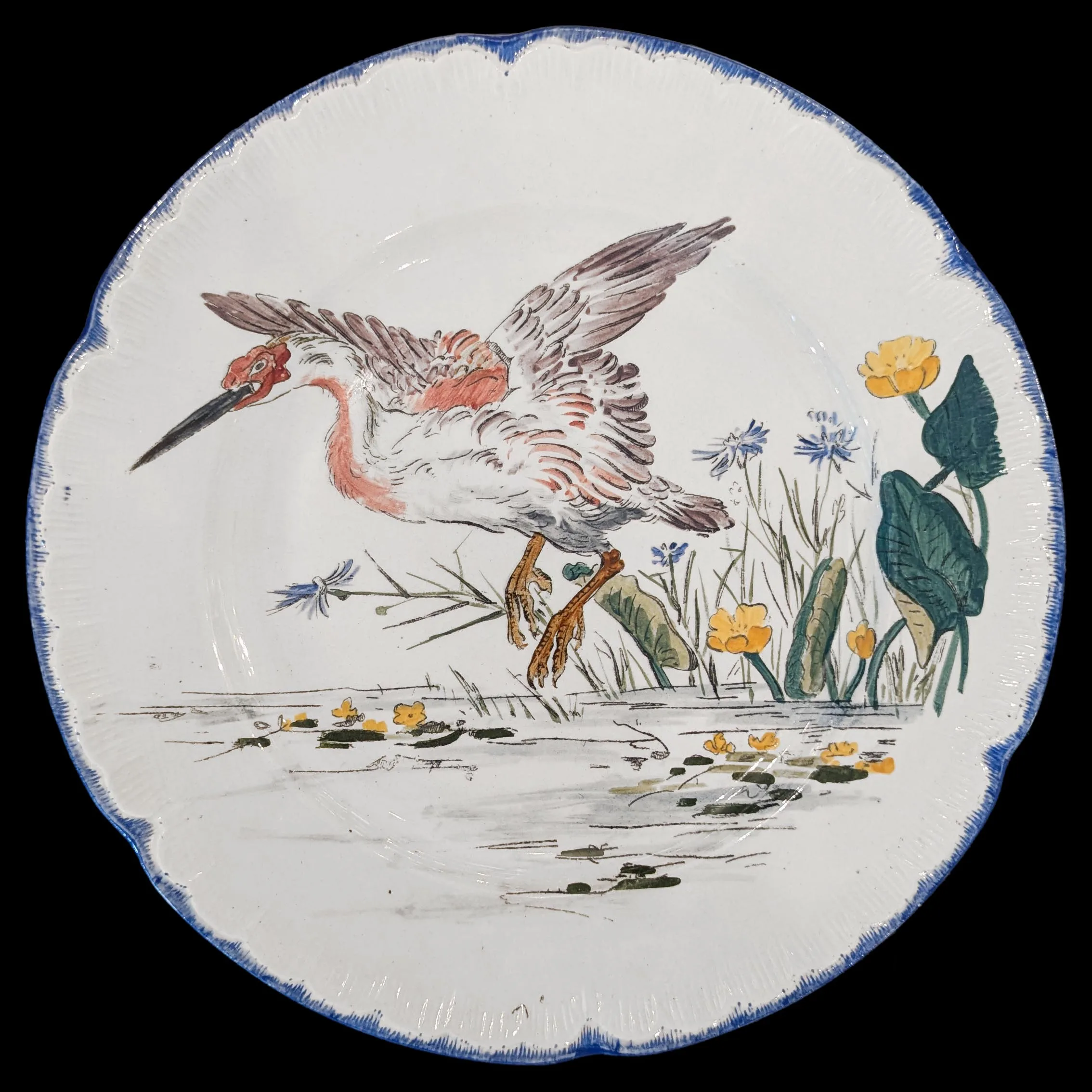
Choisy-le-Roi played an important role in the development of Japonisme in France, notably through pieces such as this bird-decorated service, whose freely composed motifs reflect the influence of Japanese art. Other examples include plates featuring Japanese-inspired scenes, produced using the ombrant enamel technique. Here, the thickness of the glaze, applied over an incised design, creates a pronounced sense of depth.
 |
 |
 |
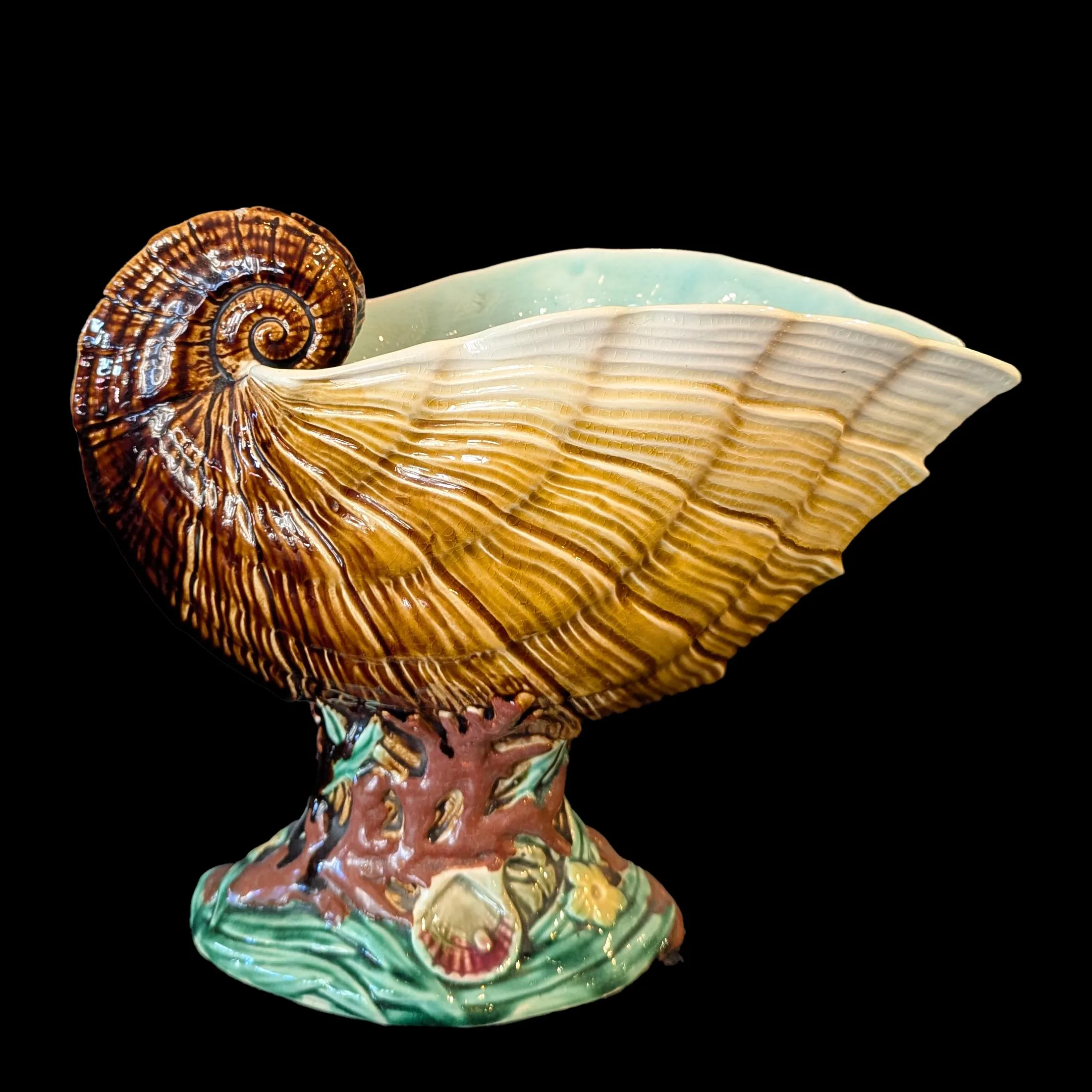
The manufactory also produced exceptionally accomplished sculptural forms, particularly under the direction of Louis Carrier-Belleuse, son of the sculptor Albert-Ernest Carrier-Belleuse (1824–1887) and a pupil of Gustave Boulanger at the École des Beaux-Arts. In 1889, he became director of artistic production at the Choisy-le-Roi faïencerie. He was responsible for a number of monumental pieces distinguished by richly worked relief decoration with an almost sculptural quality, which he exhibited at the Paris Salons.
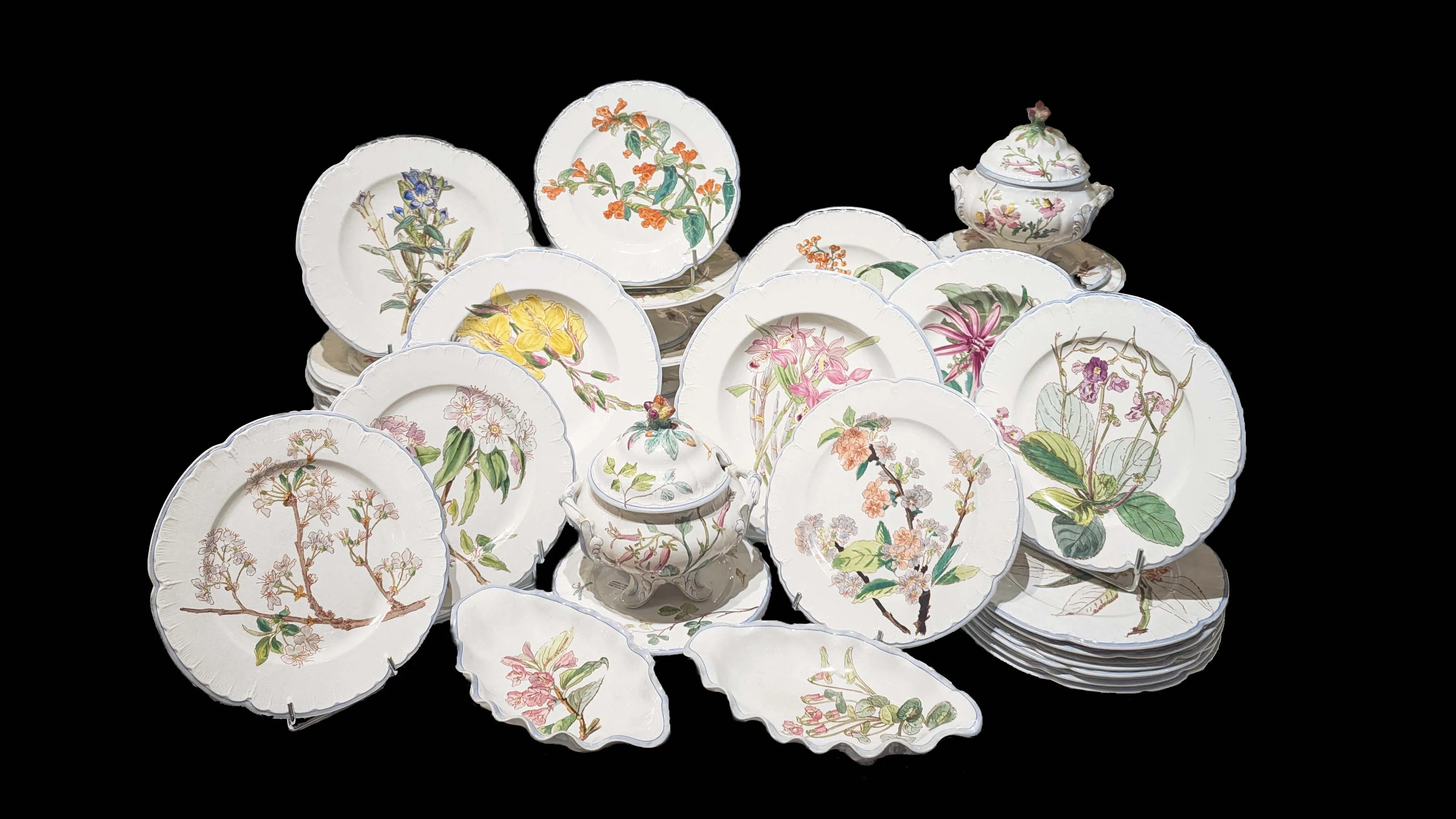
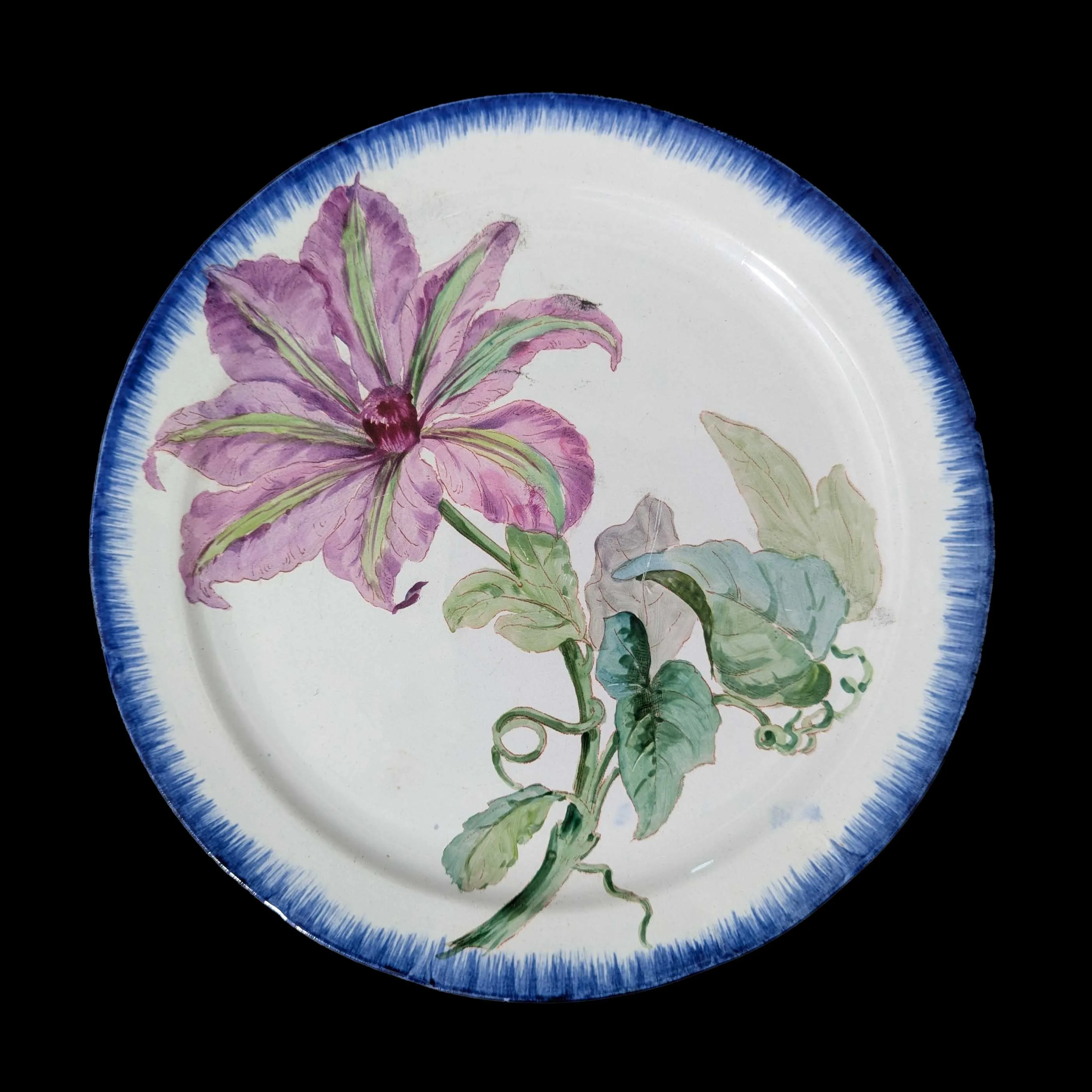
Around 1900, the manufactory produced remarkable botanical services, painted entirely by hand. Their subtle range of colours, achieved through repeated firings, was particularly admired.
 |