
Publish on : 24/09/2026
Categories : Manufacturers and designers
Gallia at the Heart of the Stylistic Developments of the Early Twentieth Century
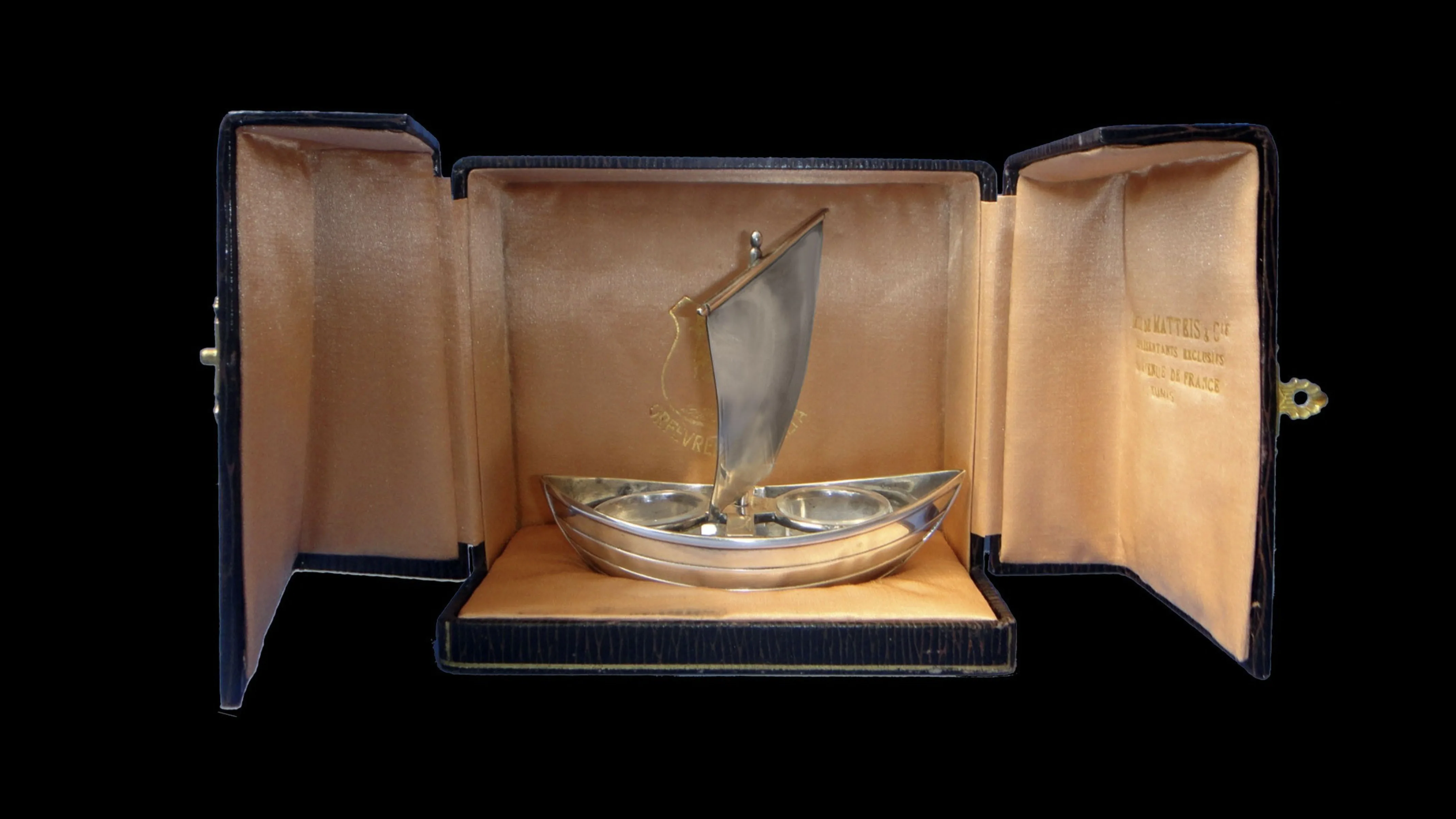
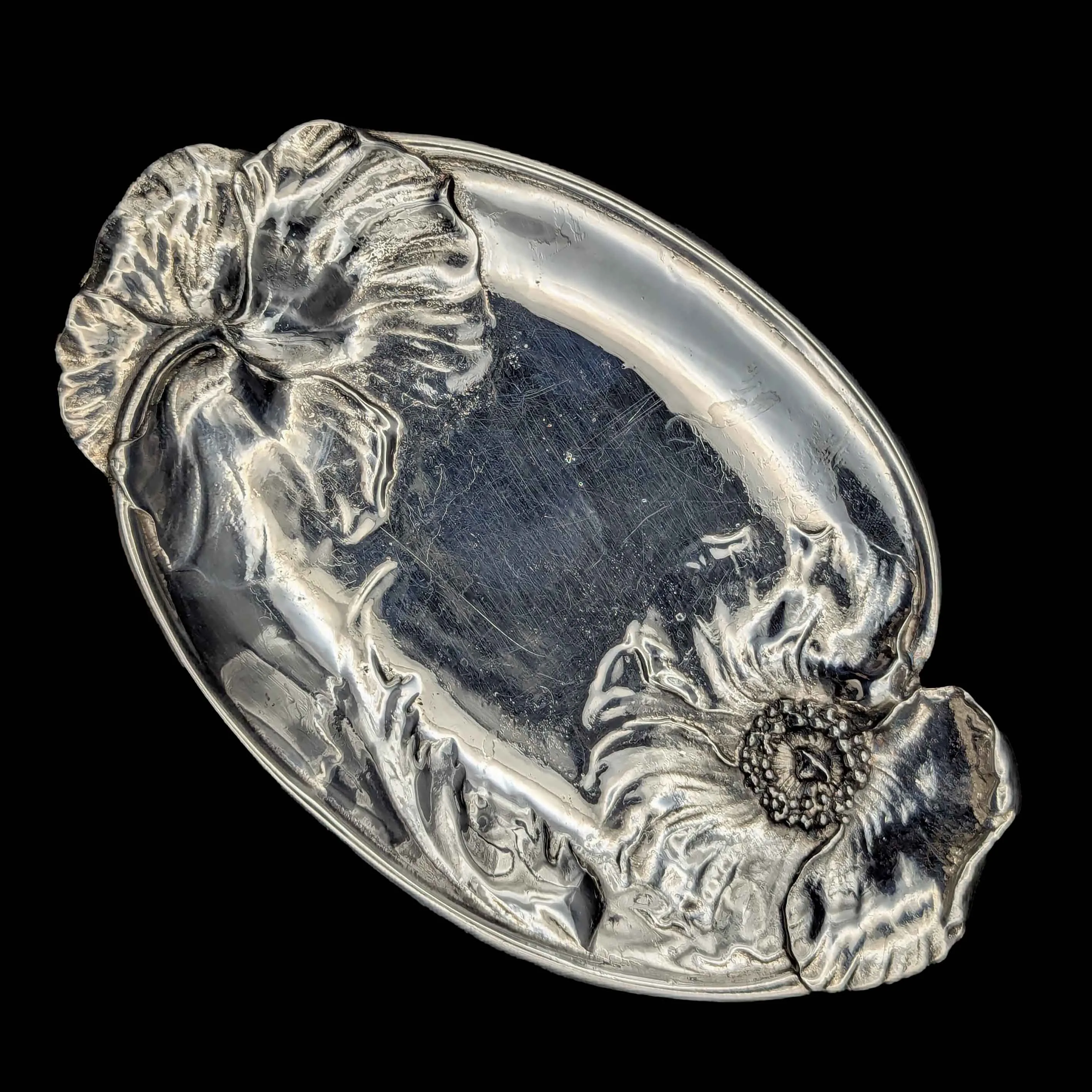
At the end of the nineteenth century, the Christofle company produced relatively traditional silverware, in keeping with the expectations of an established clientele. Yet the period was marked by a great deal of stylistic experimentation, and the company felt the need for a space in which to explore new ideas — a place where more daring forms and styles could be tested without alienating its traditional customers. It was in this spirit that Gallia was founded. Its trademark was registered in 1888, although its connection with Christofle was never made official or public.
Technically, Gallia produced cast pieces in an alloy bearing the same name, made of 95% tin, lead and antimony, which could then be silver-plated or left unplated.
 |
 |
 |
The company only really began to develop at the beginning of the twentieth century, with its first known catalogue appearing in 1900 and its first advertisement in 1901. Around 1904, it was renamed Orfèvrerie Gallia — a name which, like its cockerel-shaped hallmark, deliberately emphasised the French origins of the brand.
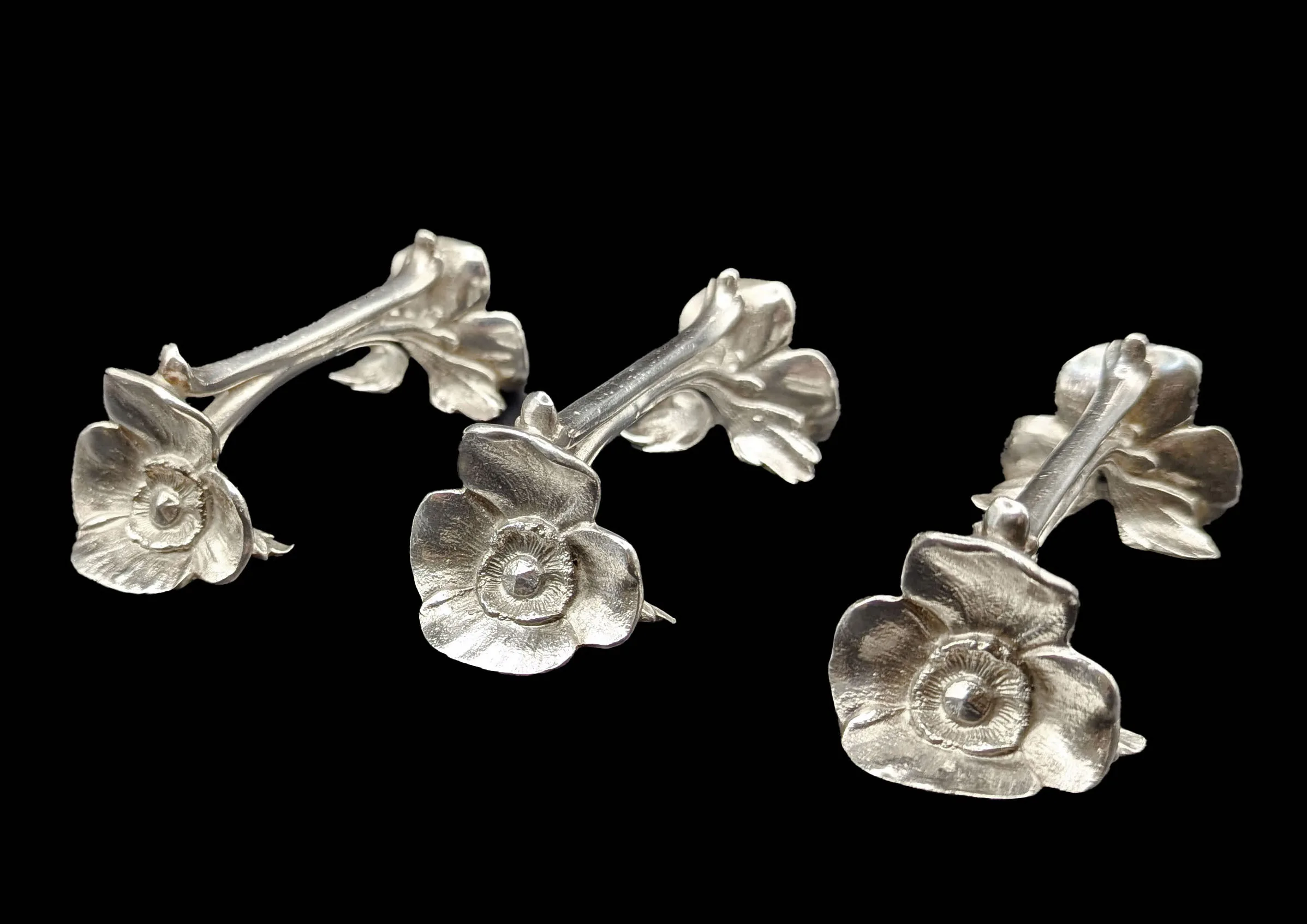
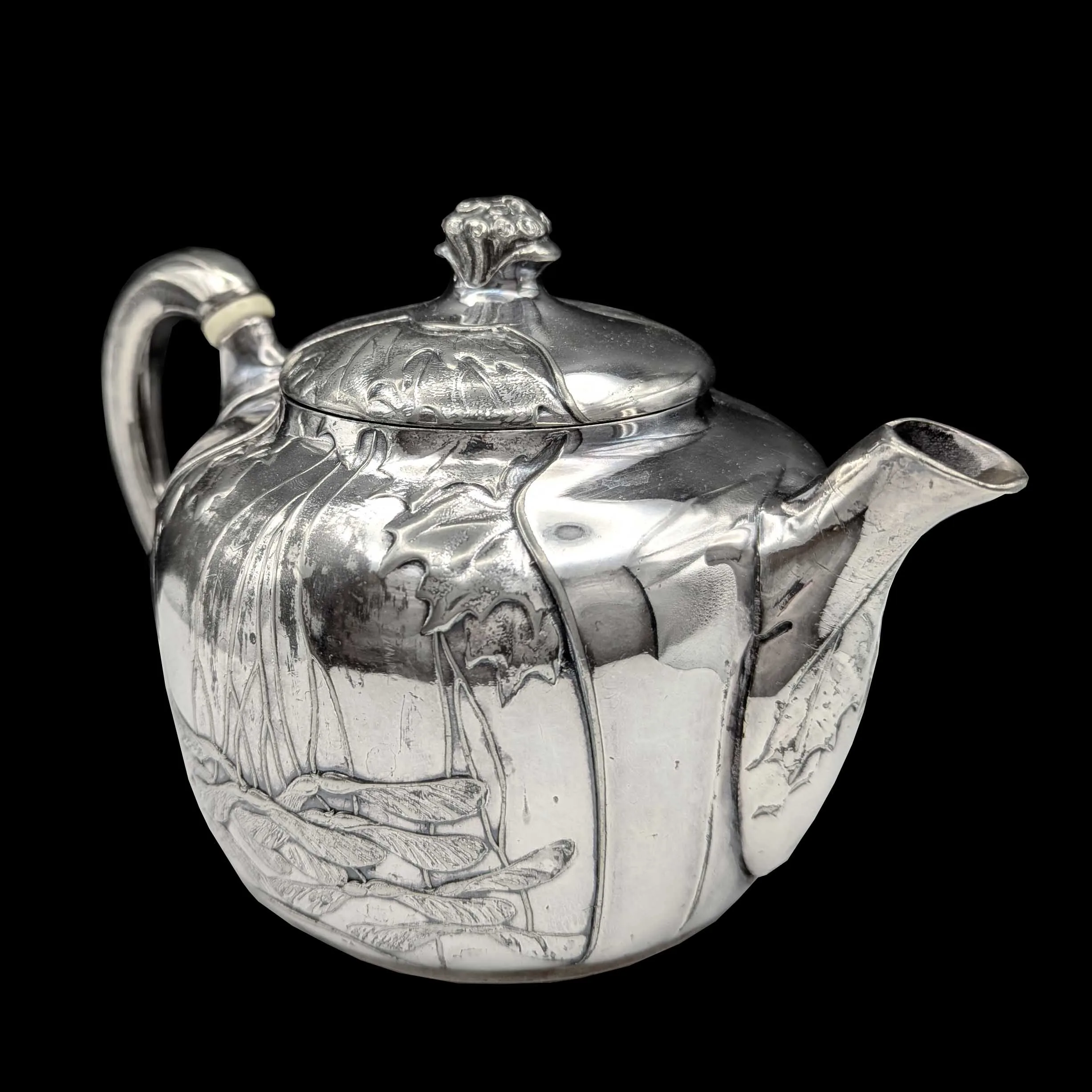
Gallia thus became a genuine laboratory for Christofle, particularly for its Art Nouveau and later Art Deco collections. This freedom allowed it to play an important role in the development of both movements within French silversmithing. Free from the constraints imposed on its parent company, Gallia could take greater creative risks, which has since become one of the defining features of the firm. To achieve this, it worked with avant-garde artists, sculptors and decorators capable of fundamentally rethinking the forms and aesthetics of the table arts.
 |
Following the ‘acquisition’ of Gallia during the interwar period, Christofle claimed exclusive ownership of the brand in its 1923 catalogue. Gallia subsequently lost its independence and became a collection within the Christofle company, a position it retained until 1937.
Gallia and the Avant-Garde Artists
It was precisely in its role as a creative laboratory that Gallia attracted some of the leading names in twentieth-century French decorative arts. Three figures deserve particular attention.
Édouard-Marcel Sandoz (1881-1971)
A Swiss sculptor and painter, and a member of the Sandoz family behind the pharmaceutical group of the same name, Édouard-Marcel Sandoz became one of the leading animal sculptors of his generation. He trained in Geneva before studying at the École des Beaux-Arts in Paris.
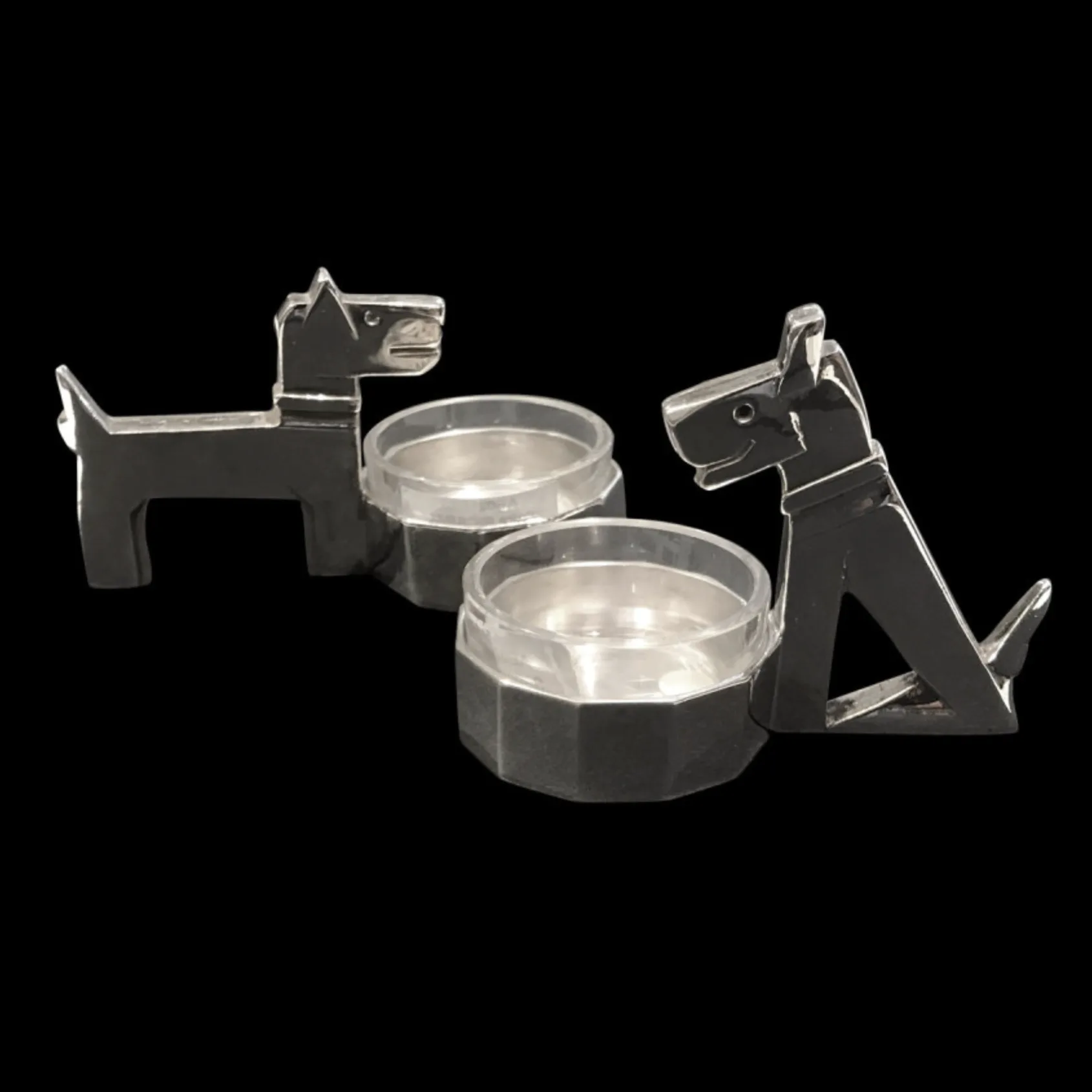
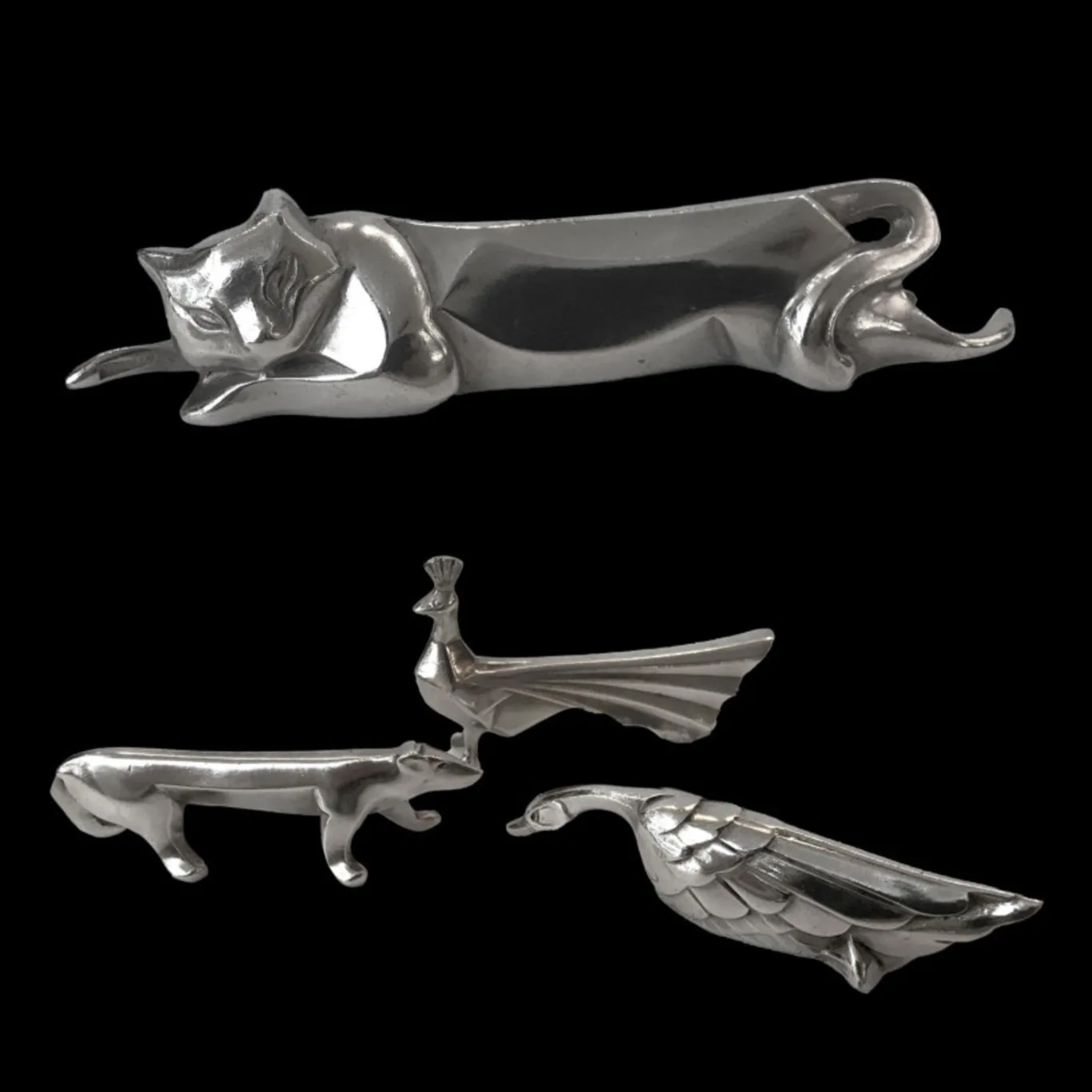
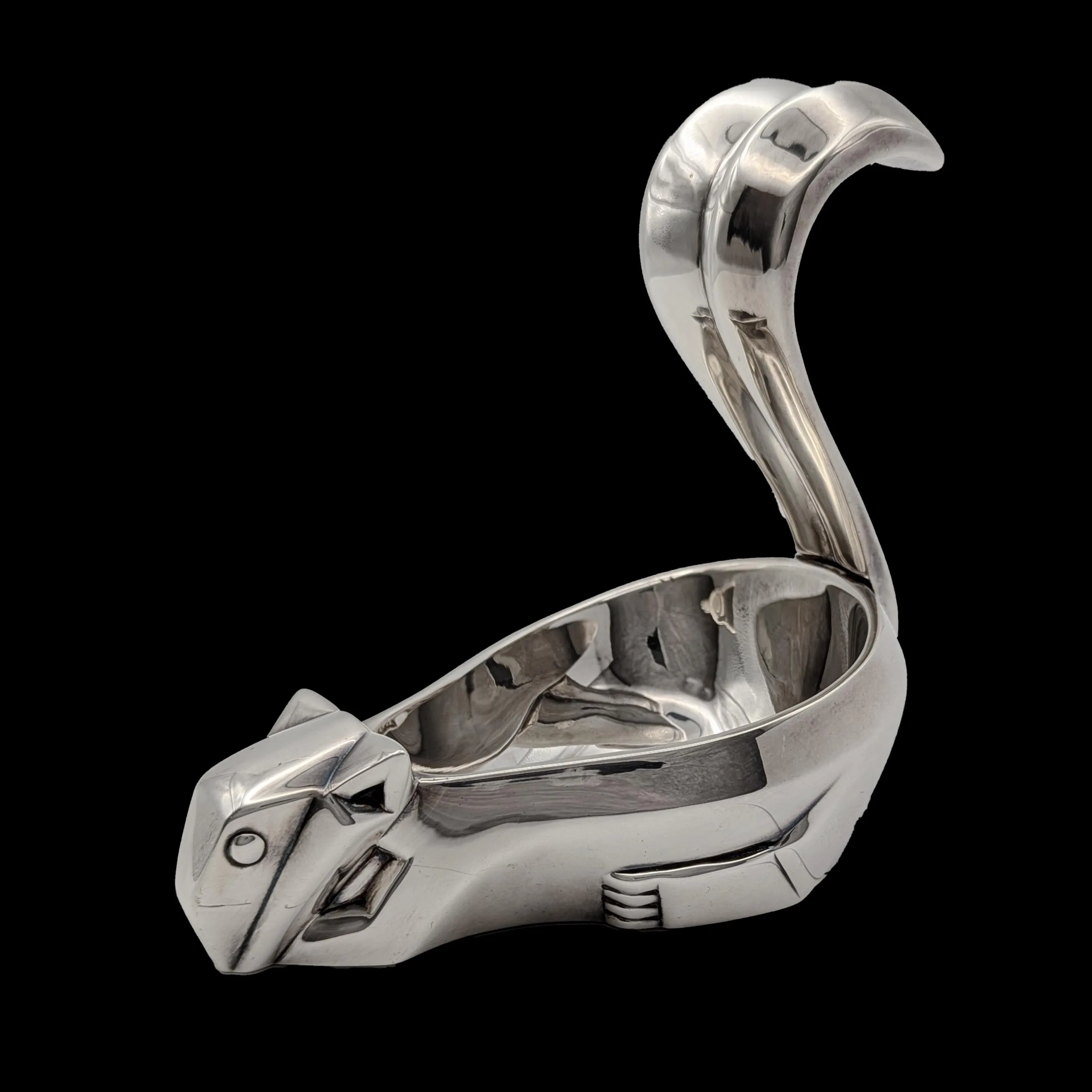
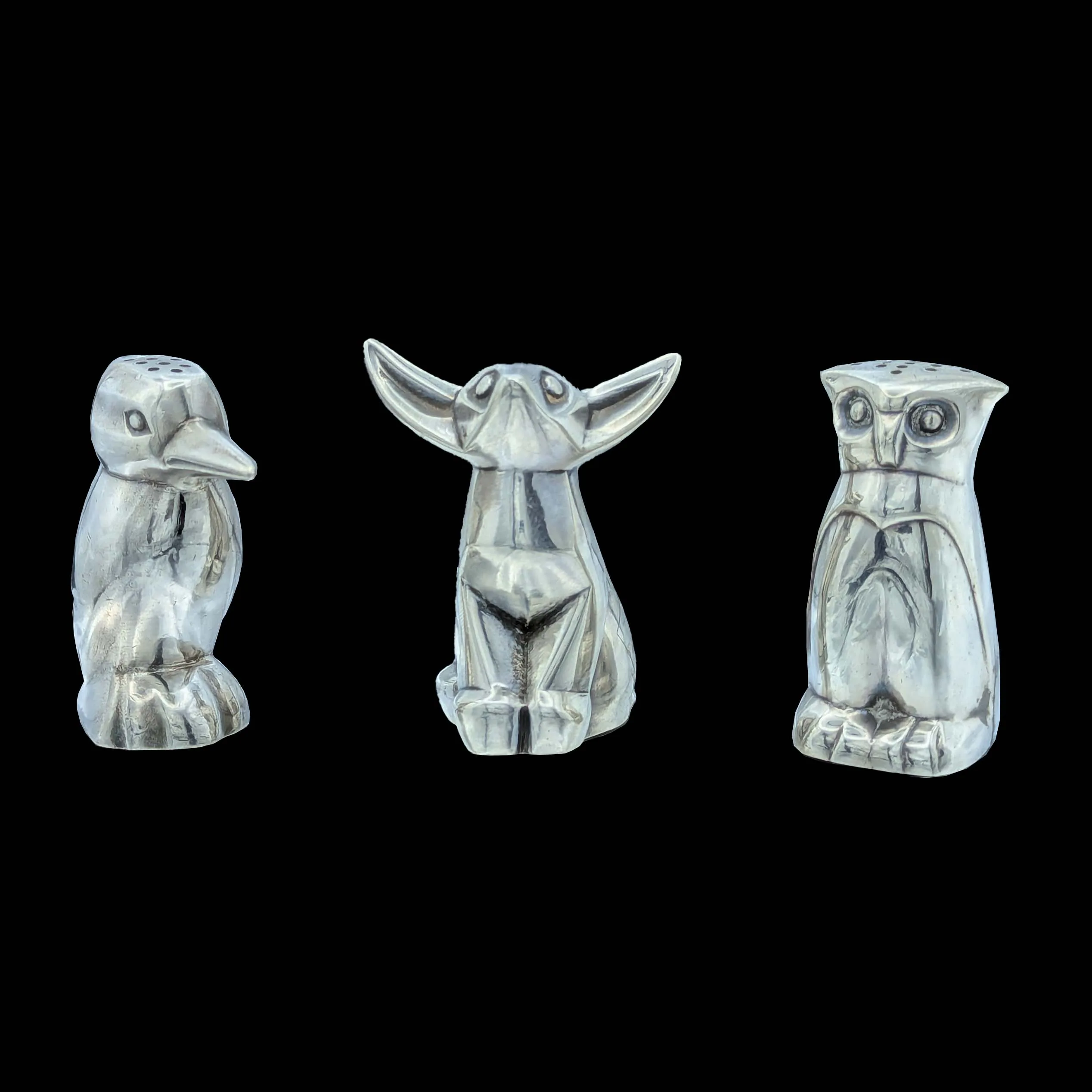
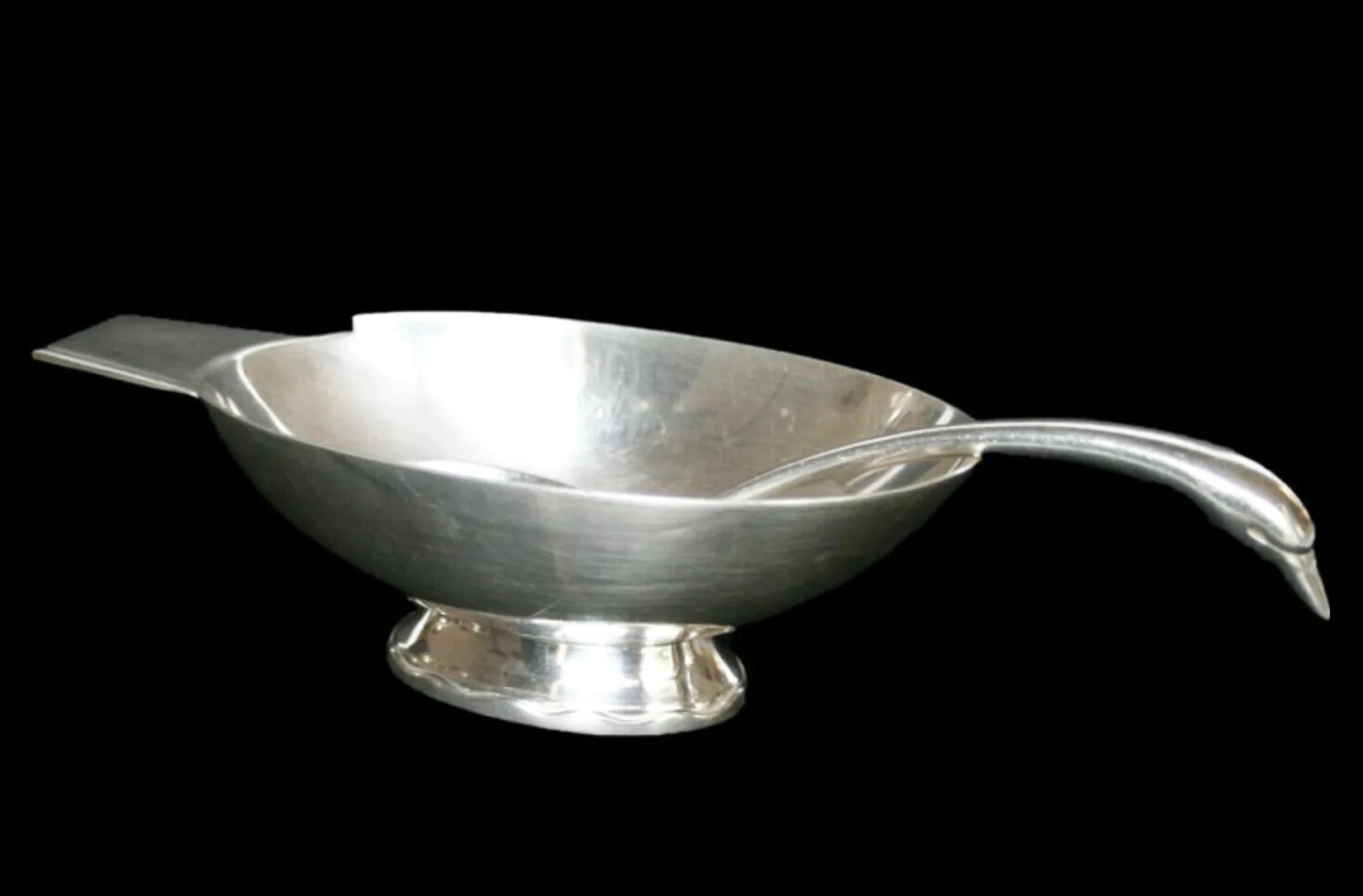
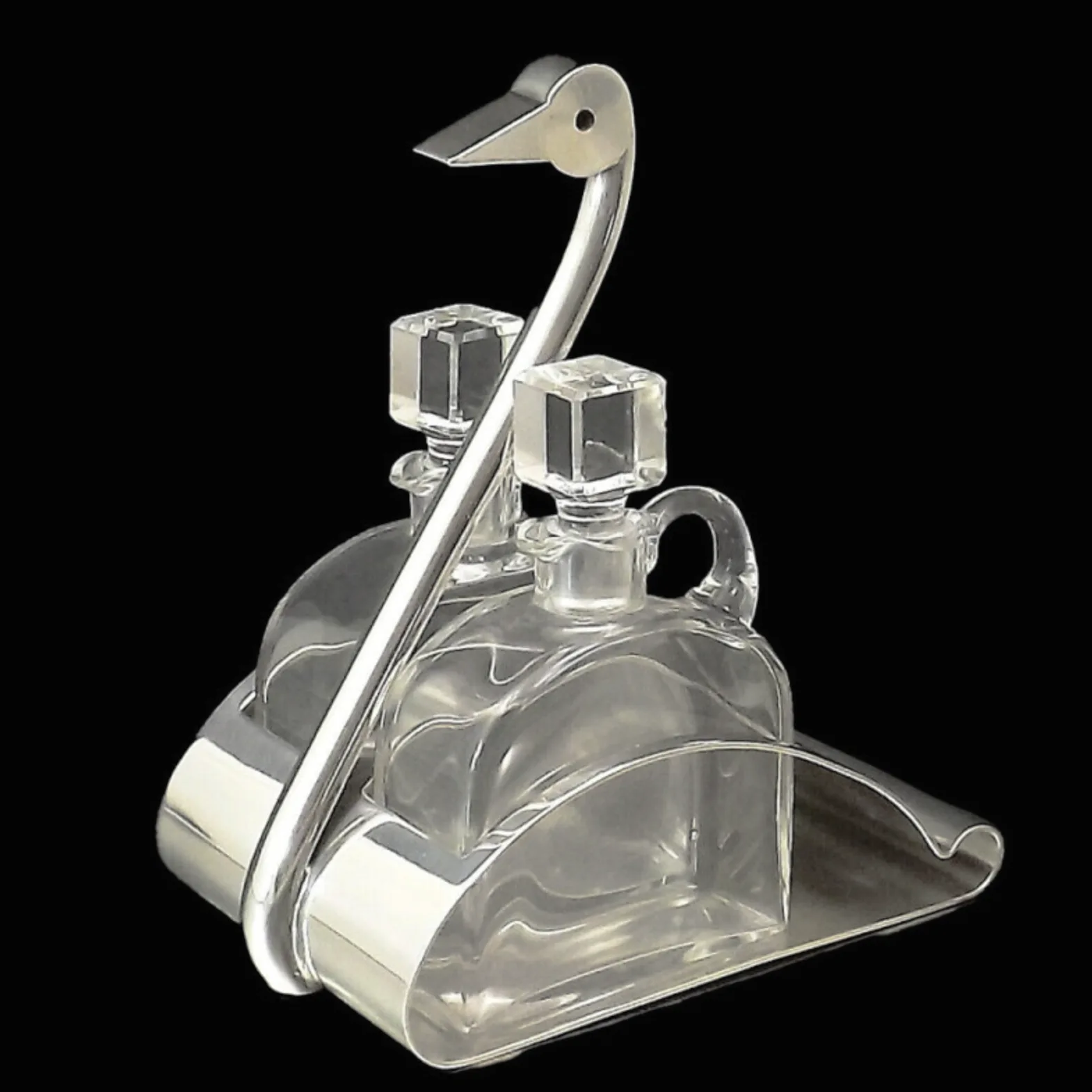
He worked in stone, onyx, porcelain, bronze and precious metals, and also collaborated with the Haviland, Sèvres and Langenthal manufactures. For Gallia, he designed a series of figurative pieces characteristic of the Art Deco period, including highly distinctive table accessories that are now much sought after: knife rests, salt and pepper cellars, and animal-shaped powder shakers featuring stylised forms.
 |
 |
 |
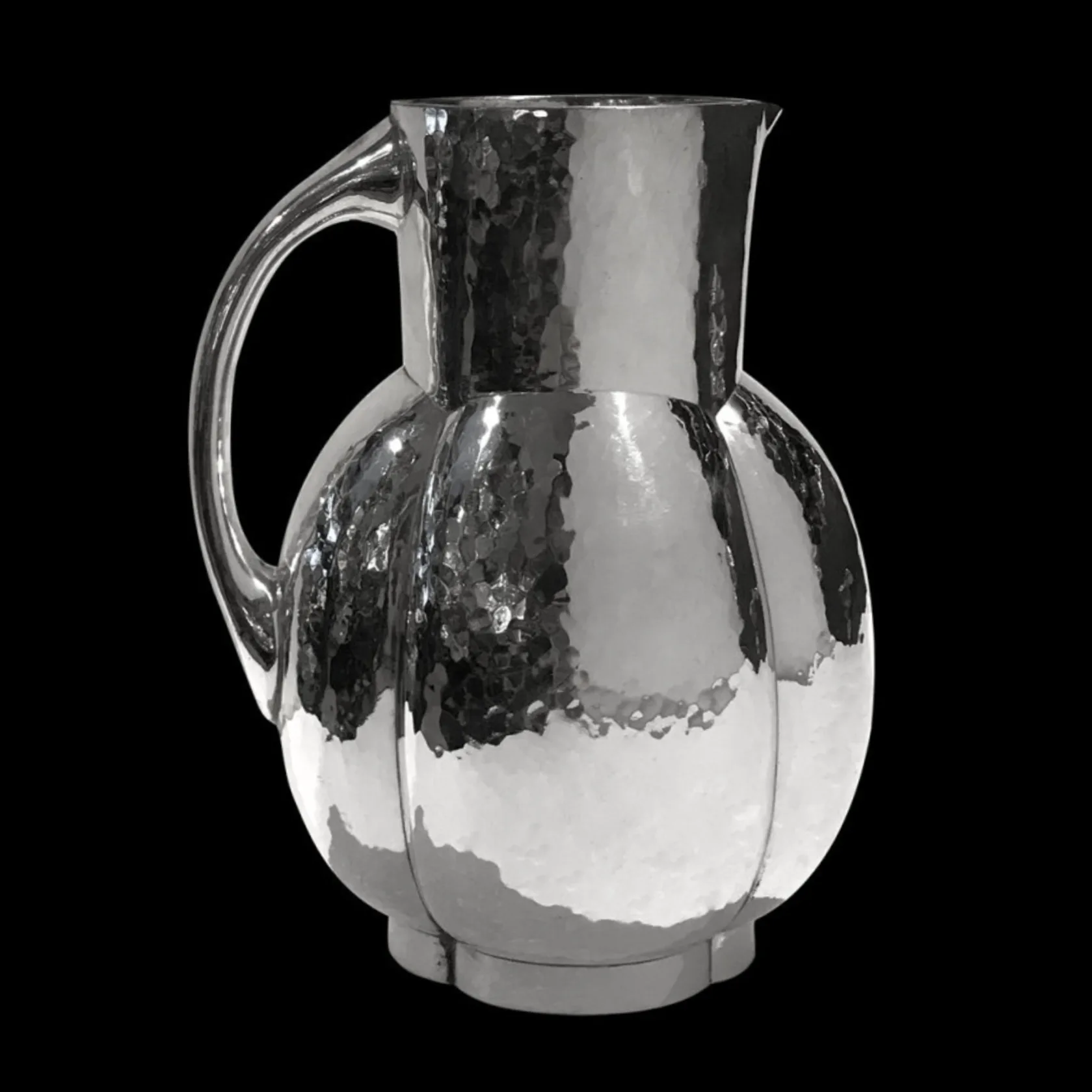
Christian Fjerdingstad (1891-1968)
Christian Fjerdingstad was a Danish-born silversmith. He achieved his first major success at the Salon d’Automne in 1921, after which Christofle recruited him as an artistic collaborator. At a time when relatively few silversmiths treated pewter as a material worthy of the same consideration as silver, Fjerdingstad helped to elevate it to the status of a noble material, contributing to the renewal of the craft. His sense of restraint and purity of line, combined with his naturalistic approach, made him one of the great innovators of twentieth-century silversmithing and one of the figures who helped establish the Art Deco style in the field.
 |
 |
 |
Louis Süe and André Mare
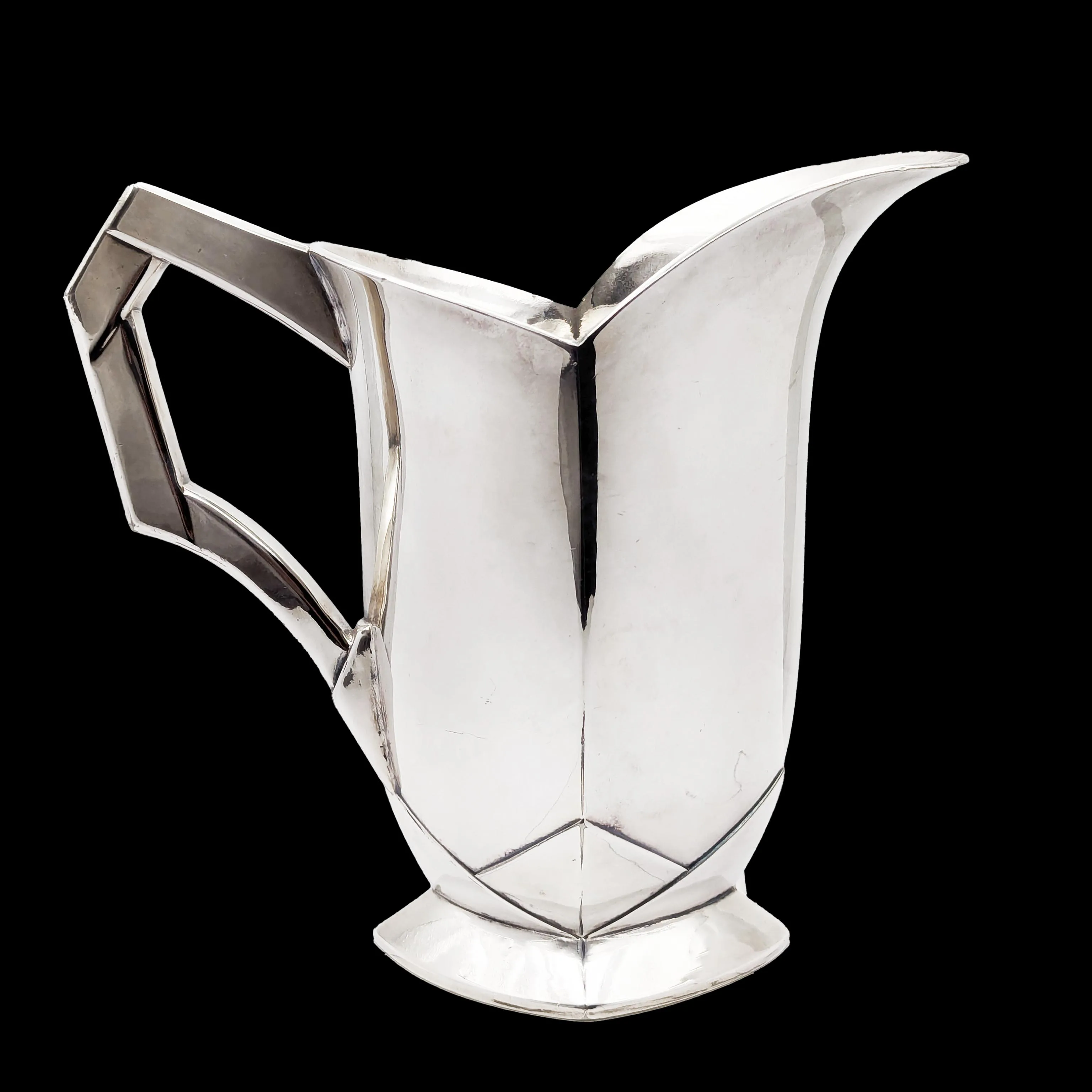
The meeting of Louis Süe (1875–1968), an architect and decorator, and André Mare, a Cubist painter, led to a particularly important collaboration. In 1919, the two men jointly created the decoration for the Fêtes de la Victoire celebrations in Paris. The following year, they founded the Compagnie des Arts Français, whose first productions — furniture, wallpaper, tapestries, as well as silverware and ceramic designs — appeared from 1921 under the title Architectures.
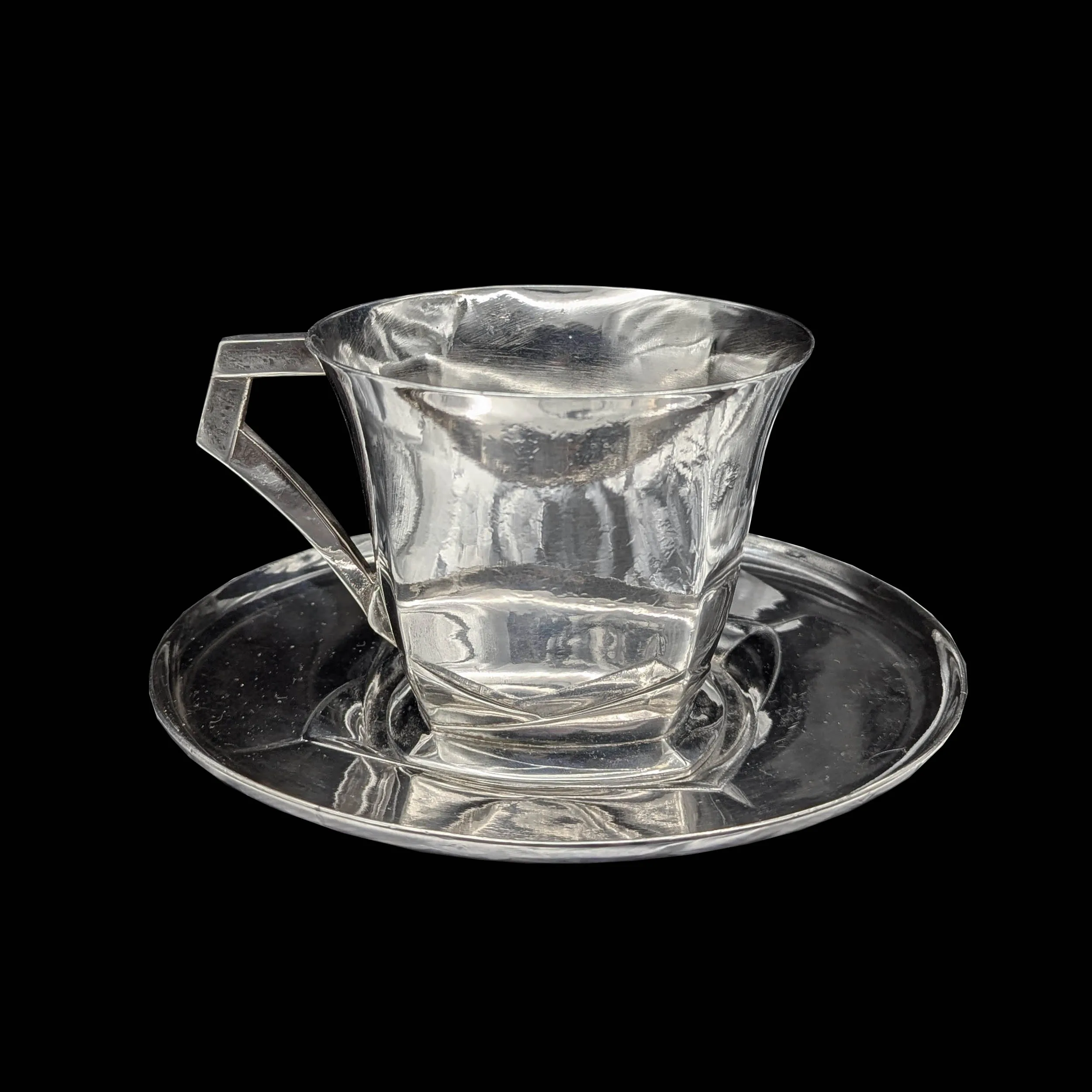
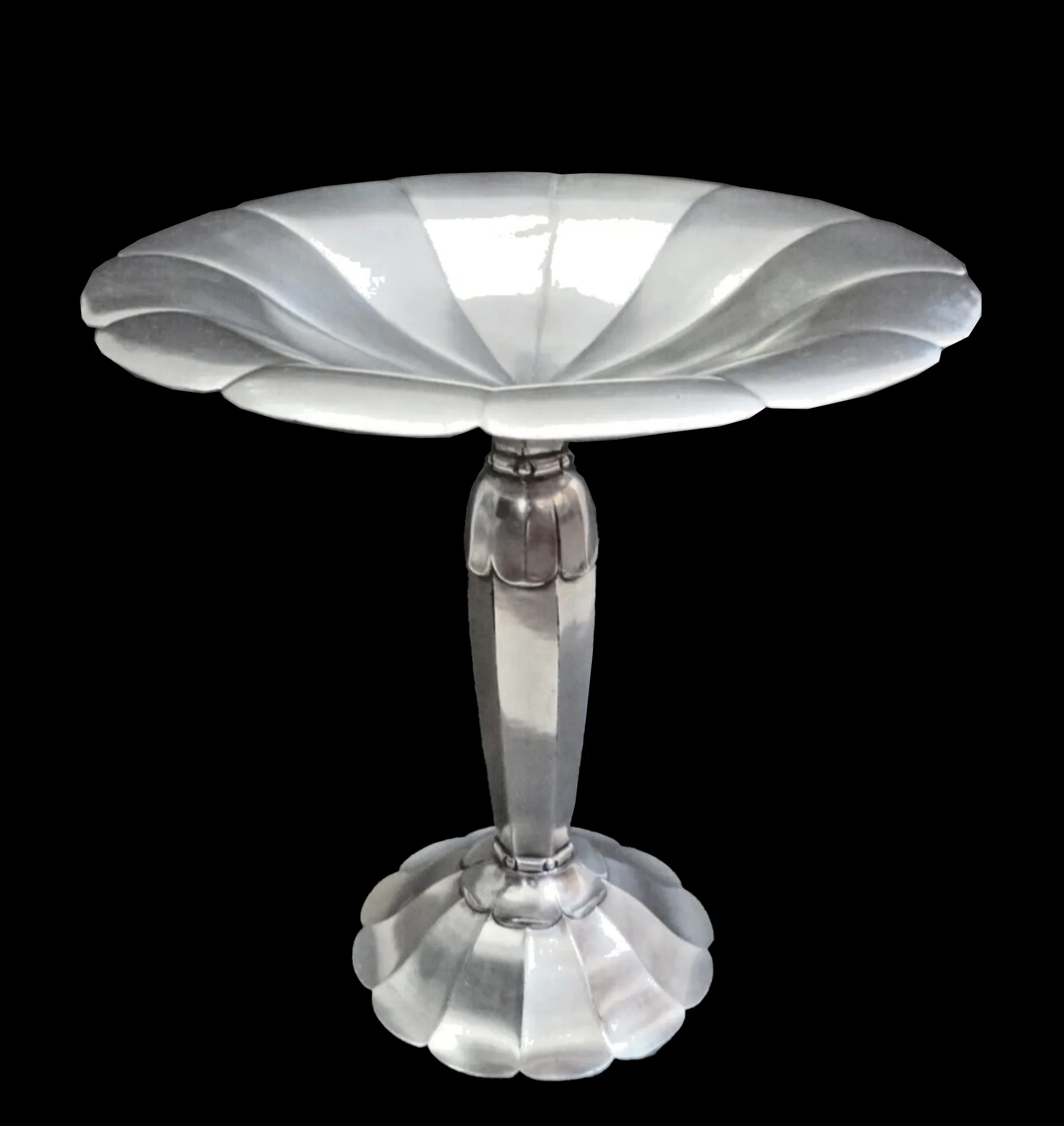
The duo took part in the 1925 Exposition Internationale in Paris and, that same year, designed the interiors of the ocean liner Île-de-France. For Gallia, Süe and Mare created original pieces characterised by the geometric yet classically inspired aesthetic that defined their work during the 1920s and 1930s. These included tea and coffee services, a samovar, cups and saucers, and large pedestal bowls.
 |
 |
 |