
Publish on : 30/09/2026
Categories : Manufacturers and designers
 |
 |
Theorist of the Aesthetic Movement
Born in Glasgow in 1834 into a middle-class family, Christopher Dresser studied at the Government School of Design in London, where he was taught by Owen Jones, a passionate scholar of Eastern art, and Gottfried Semper. At the same time, he studied botany and, in 1855, became Professor of Artistic Botany. This scientific training would shape his entire approach to design.
In 1862, he published his first major work, The Art of Decorative Design and Development of Ornamental Art. The book reveals an impressive knowledge of the history of the decorative arts, particularly Egyptian, Greek, Moorish and Eastern ornament. It also sets out a fundamental idea: decoration should not copy nature, but should draw from it the underlying principles of structure — order, repetition, curves and proportion — in order to create forms that are both coherent and functional. He developed these ideas further in 1873 in Principles of Decorative Design, a book that would become an important reference for the Arts and Crafts movement.
 |
 |
His Encounter with Japan
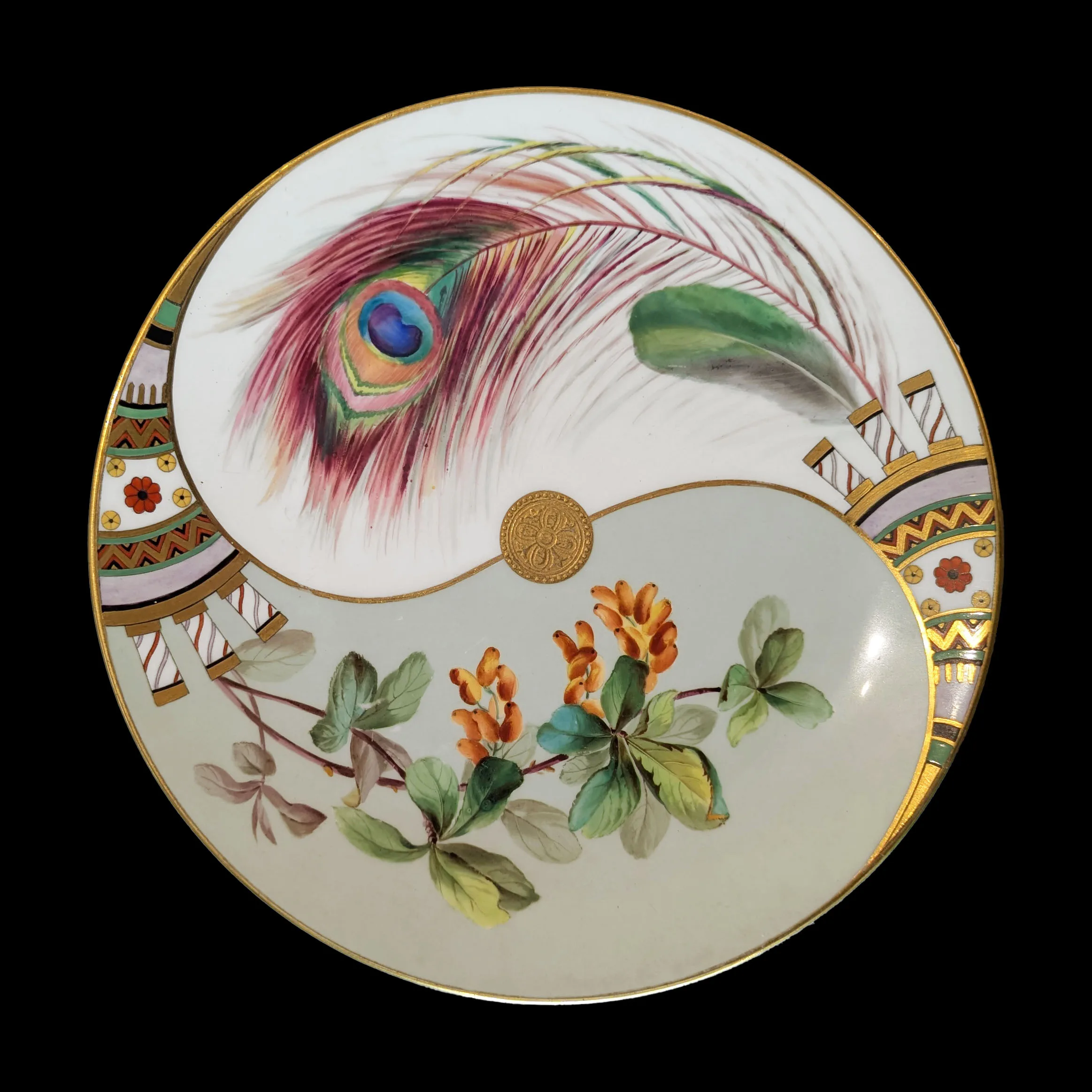
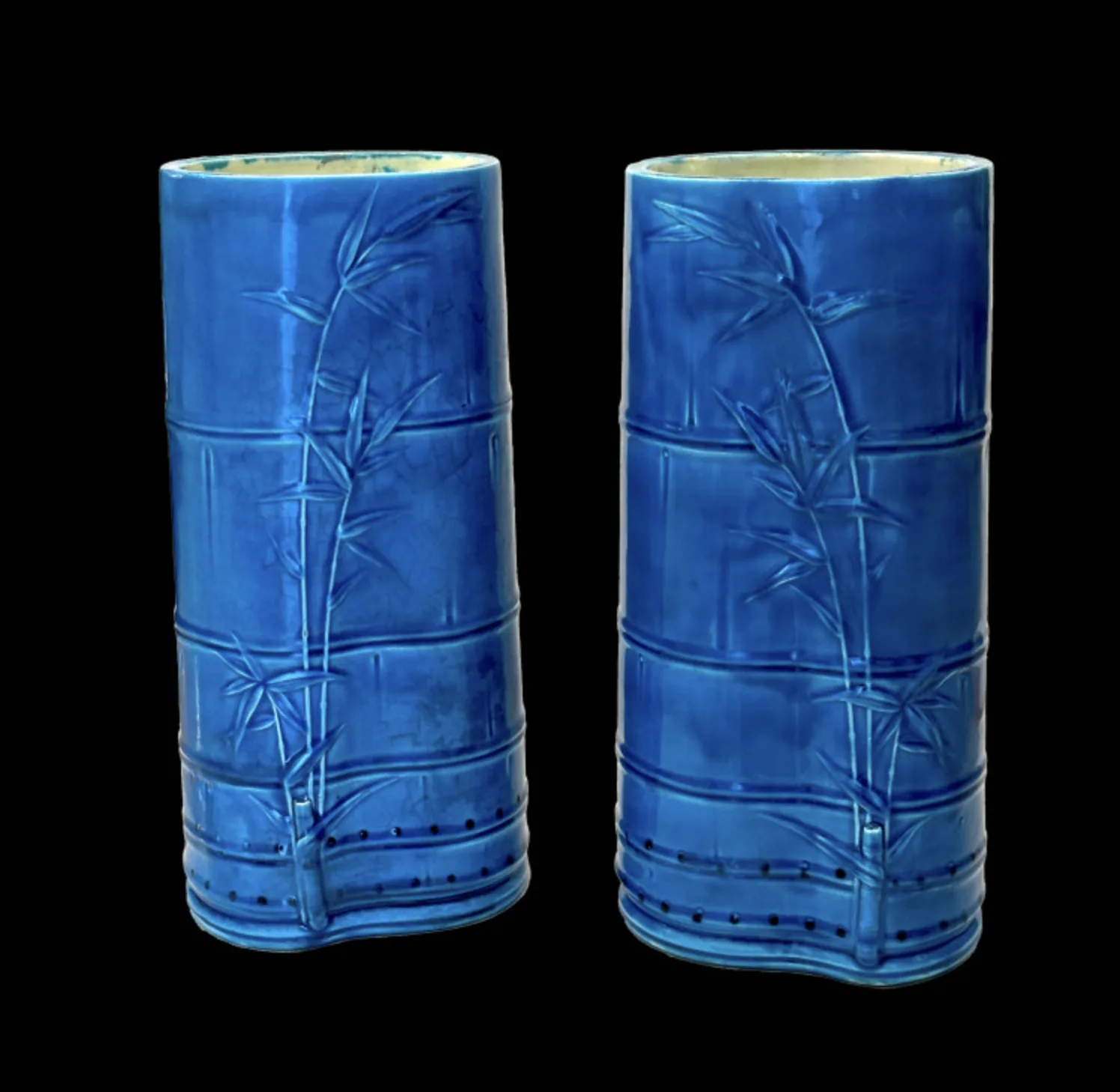
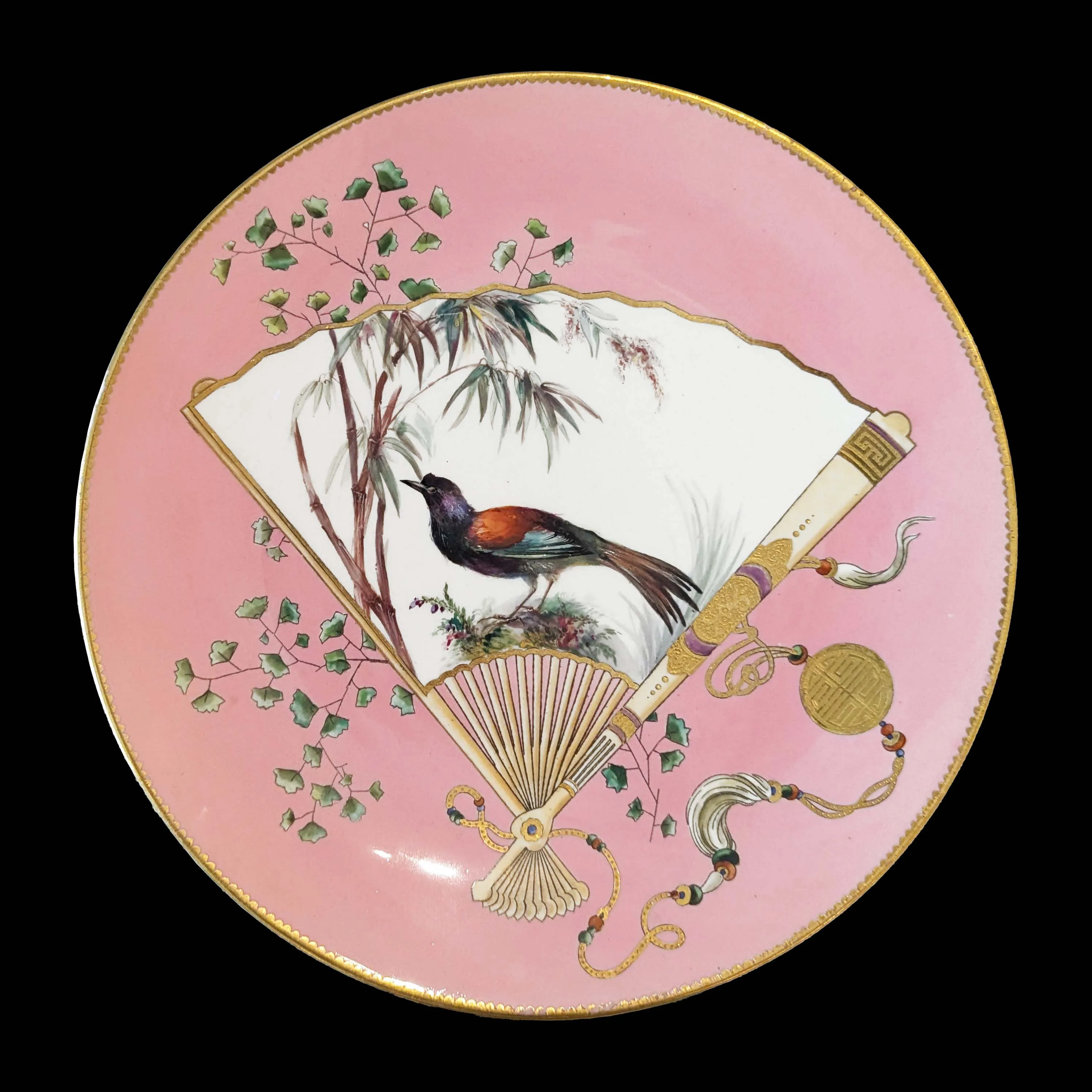
This rigorous approach, combined with his longstanding interest in non-Western art, prepared him for the encounter that would transform his career: Japan. In 1876–77, he spent around four months travelling across the country, studying its architecture and crafts. The experience was an aesthetic revelation.
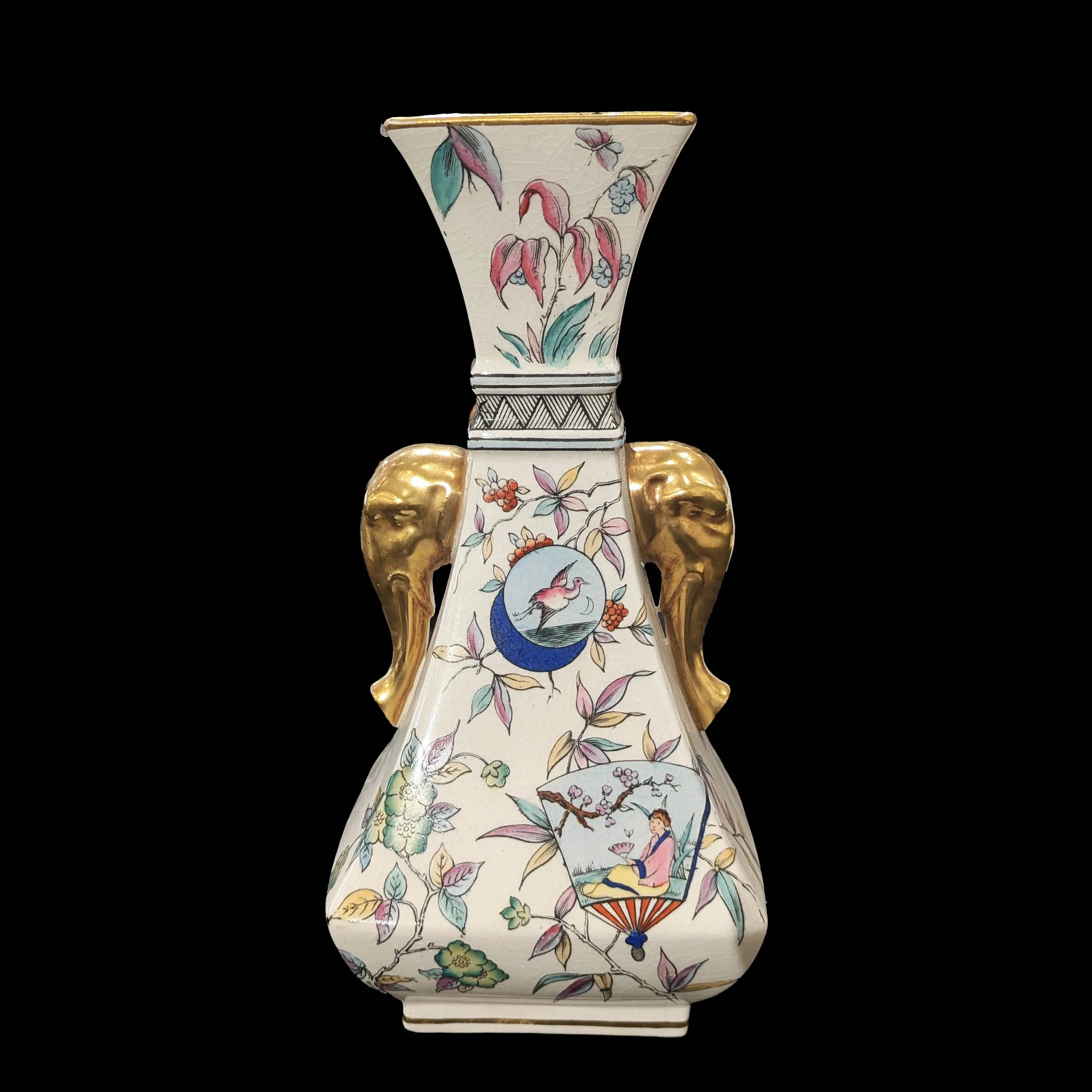
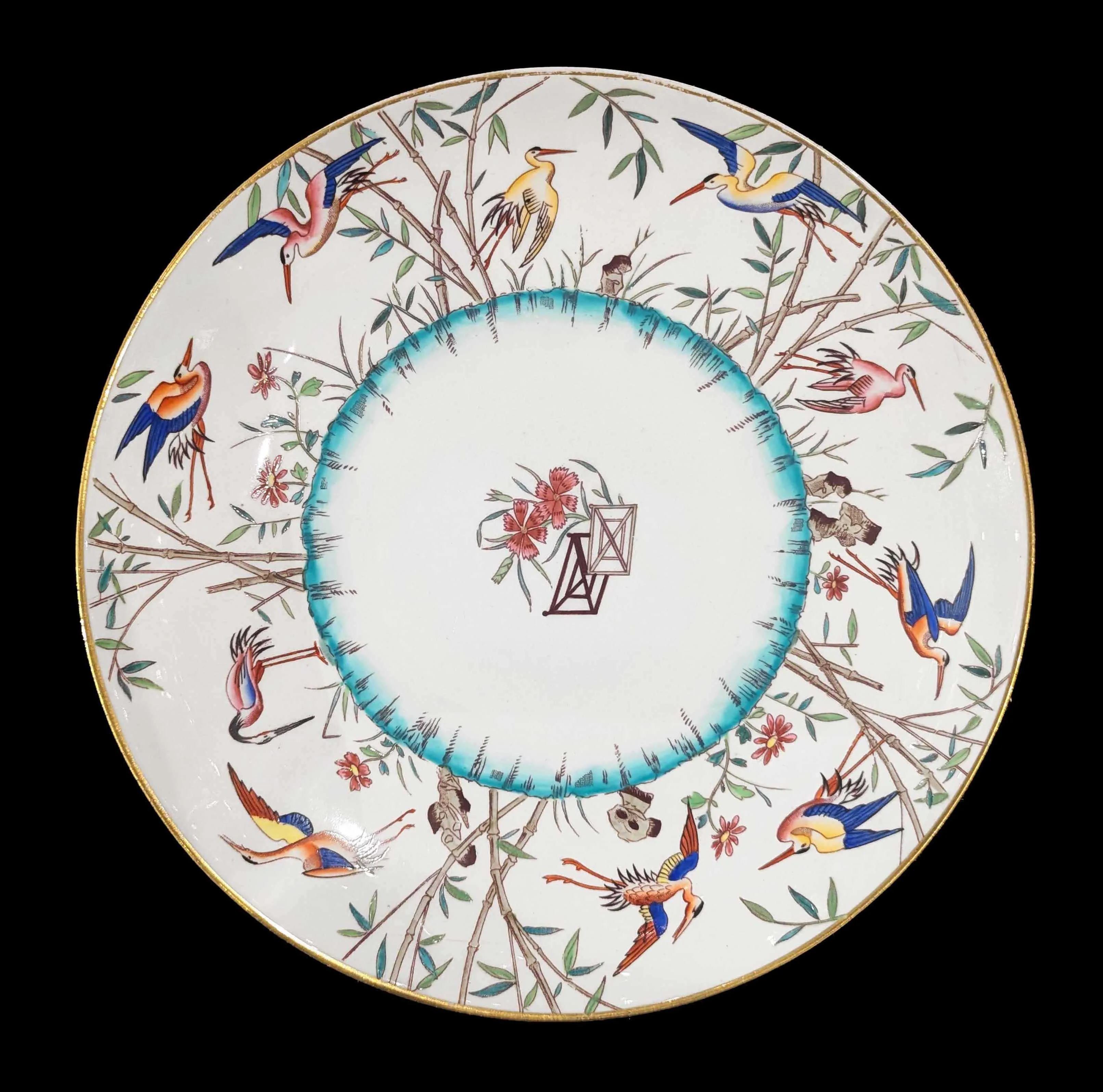
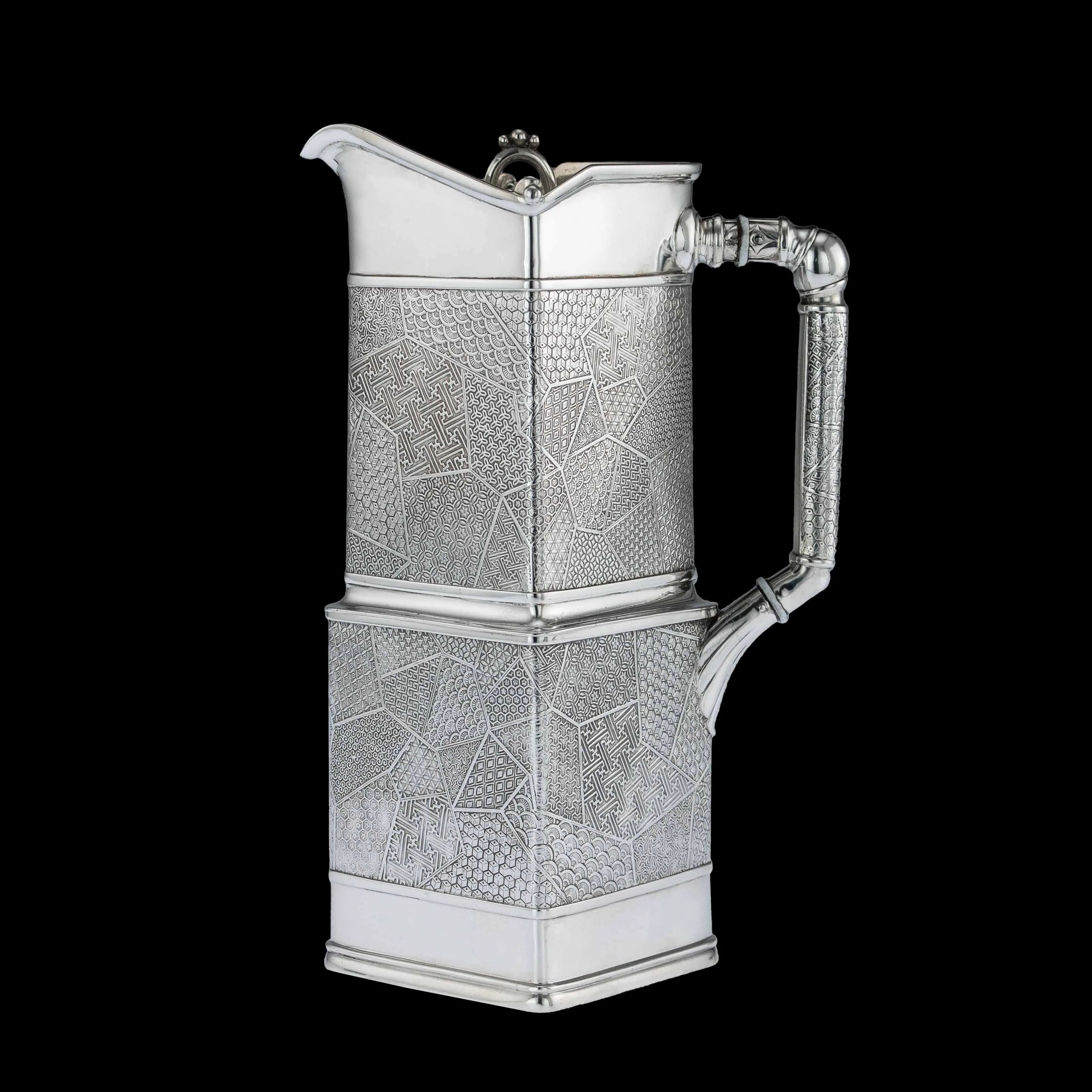
Dresser was struck by the brilliance of lacquer and gold, the rich colours of ceramics and textiles, and the precision of decorative motifs achieved with remarkable economy — a striking contrast to the heavily ornamented Victorian style of the time. He also embraced the Japanese principle of simplicity, in which an object's beauty comes from its function as much as from its appearance. On his return, he became one of the leading figures in introducing Japanese art and design to the West, notably through his 1882 book Japan: Its Architecture, Art, and Art Manufactures.
 |
 |
 |
A Pioneer of Modern Design
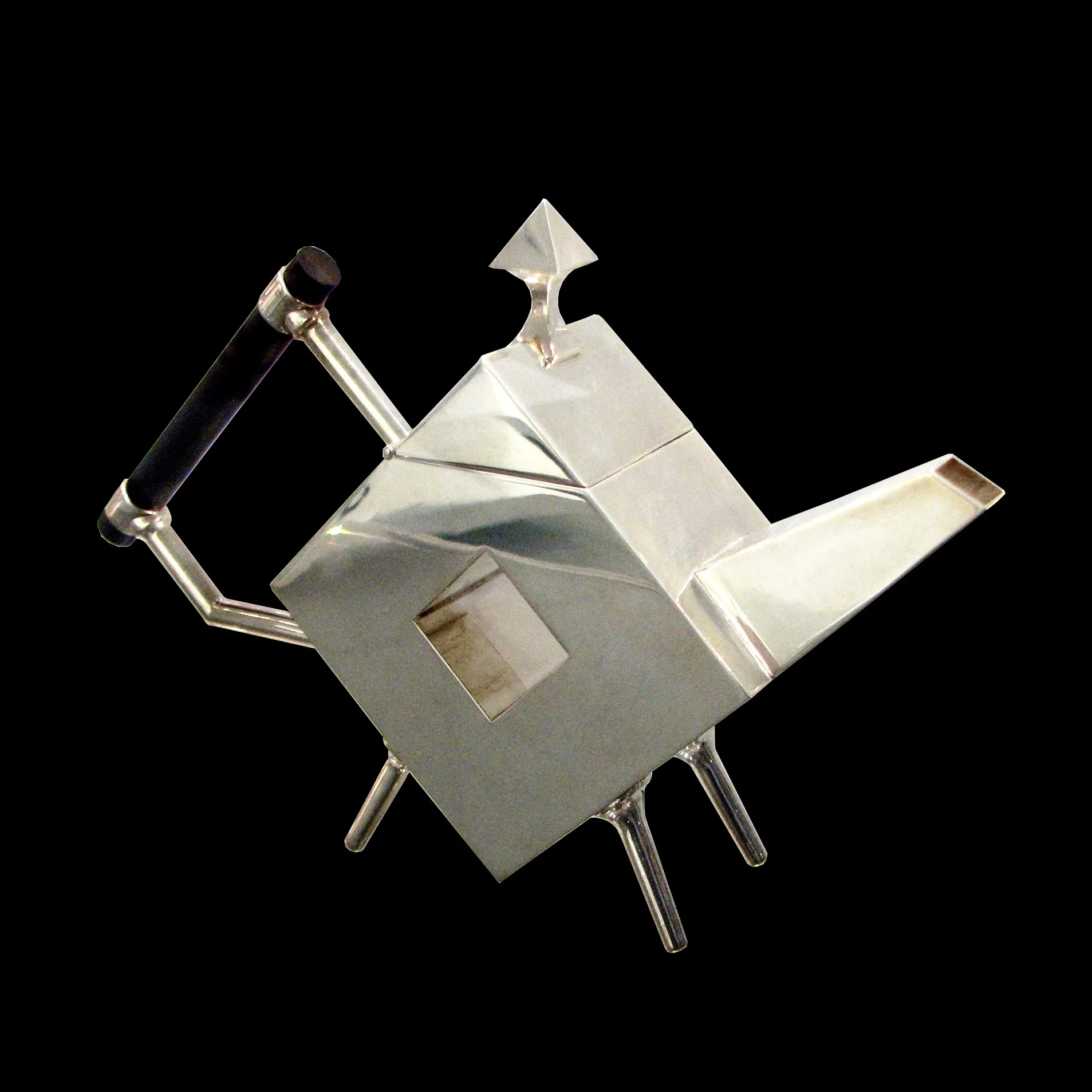
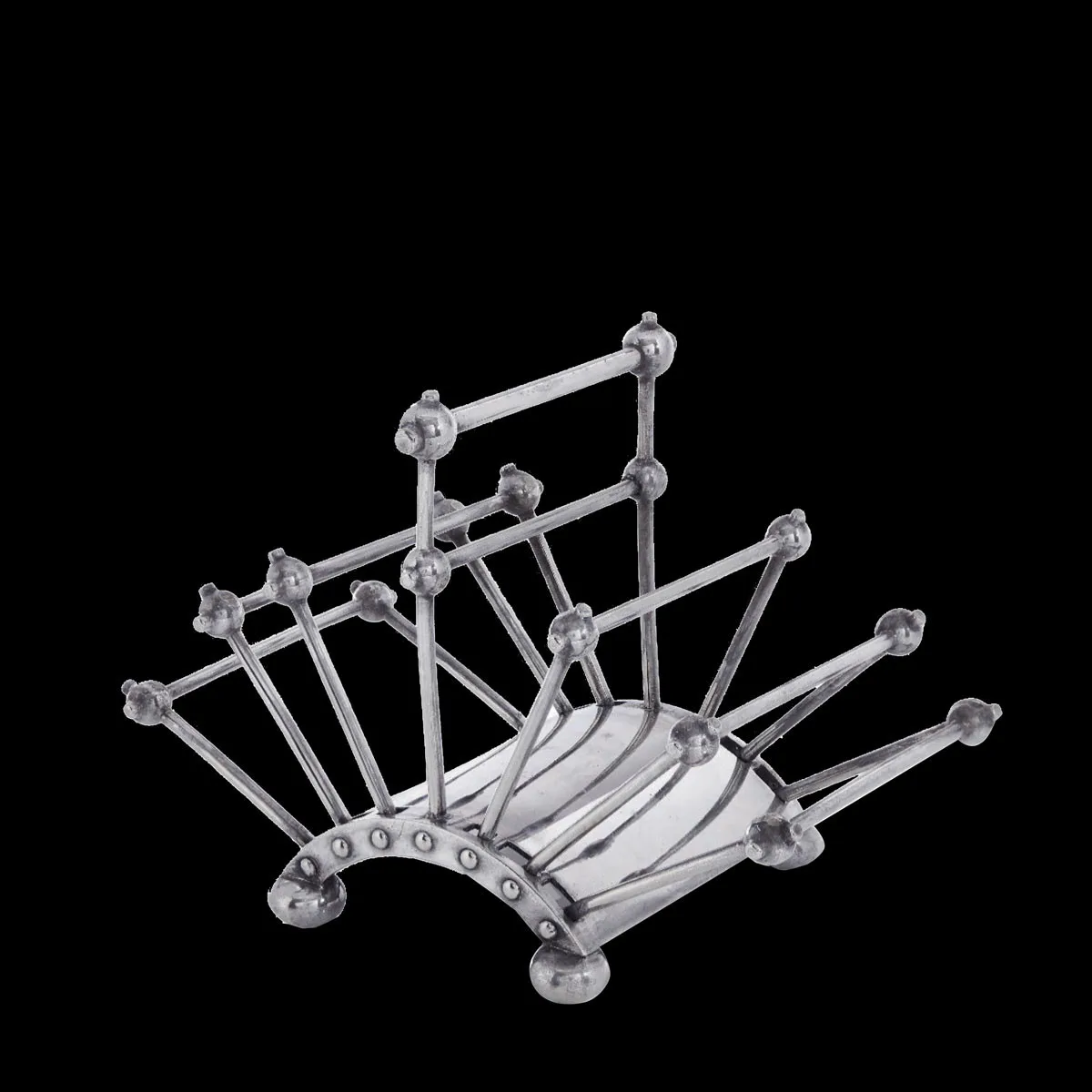
Over the following decade, Dresser created the works for which he is best known today, establishing his reputation as a pioneer of modern industrial design. He took the Japanese lesson a step further, reducing form to its essential elements.
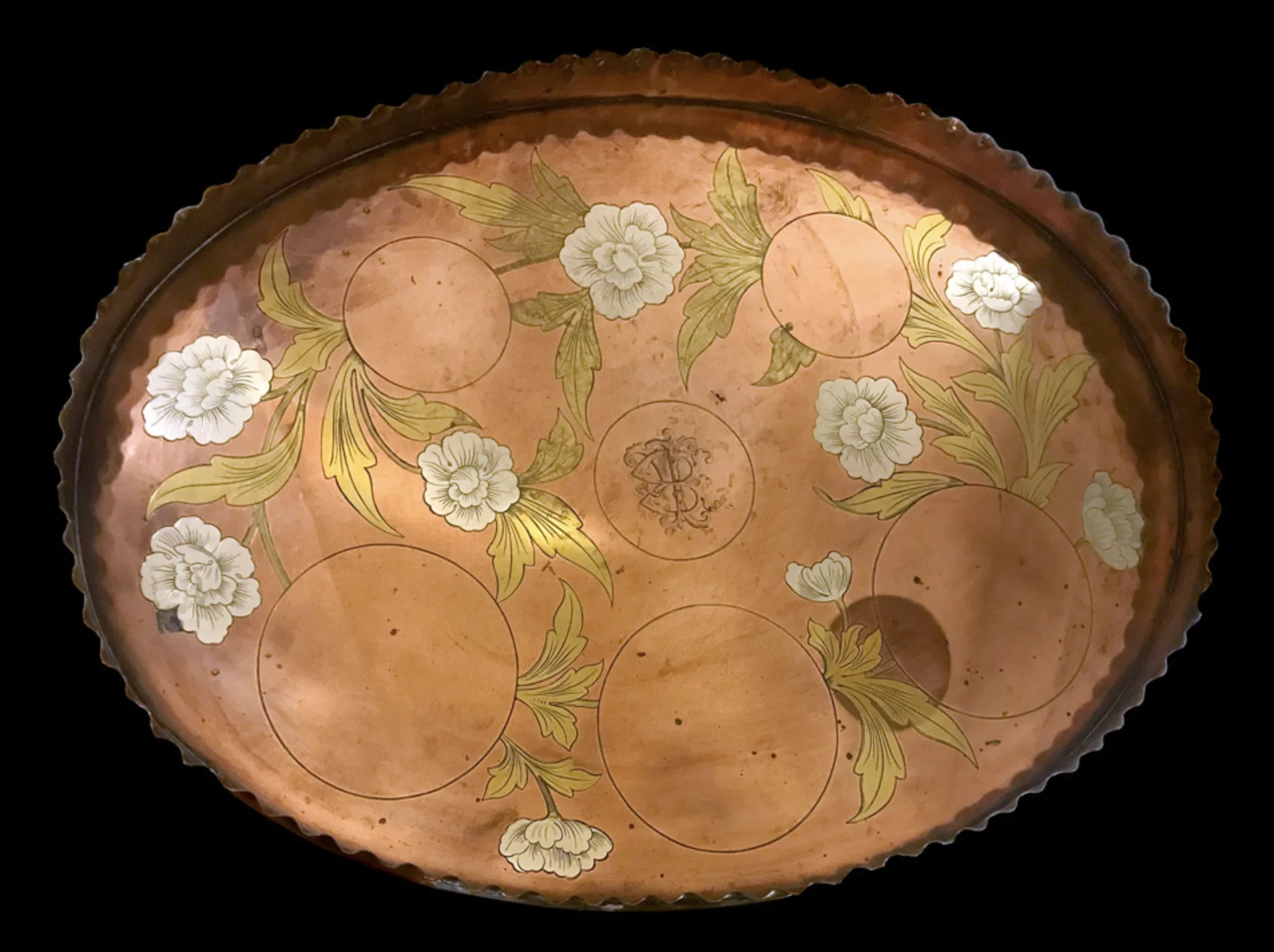
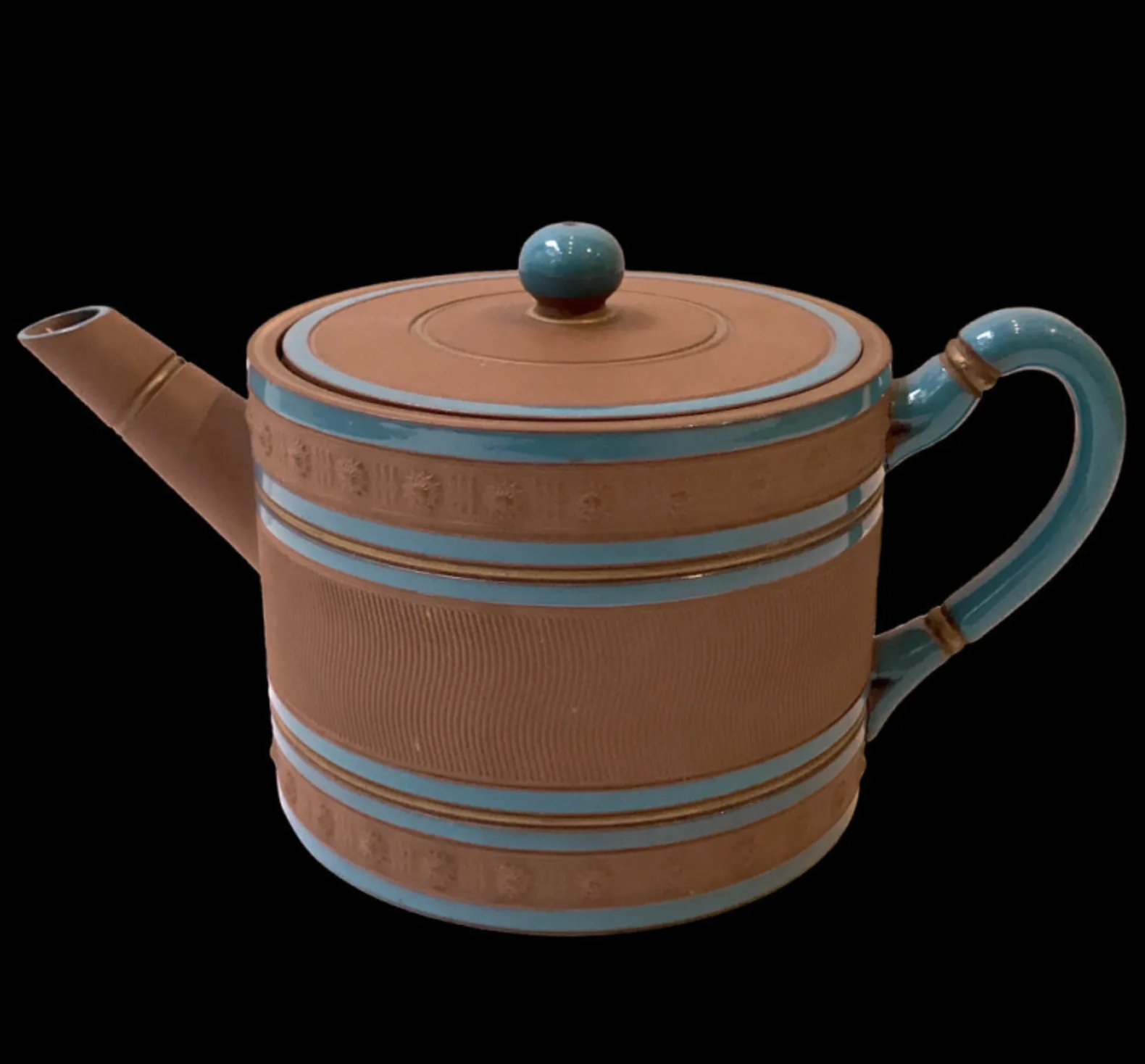
For major British manufacturers — including Elkington, Hukin & Heath and Coalbrookdale, as well as the Linthorpe Art Pottery, which he helped to establish — he designed objects in metal, glass and ceramics characterised by their clean, geometric forms. In his silver-plated tea services, for example, the spout, handle and body are reduced to almost abstract volumes. His electroplated teapots of 1878–80 are now regarded as early icons of industrial design, anticipating by some fifty years the spirit of the Bauhaus.
 |
 |
 |